
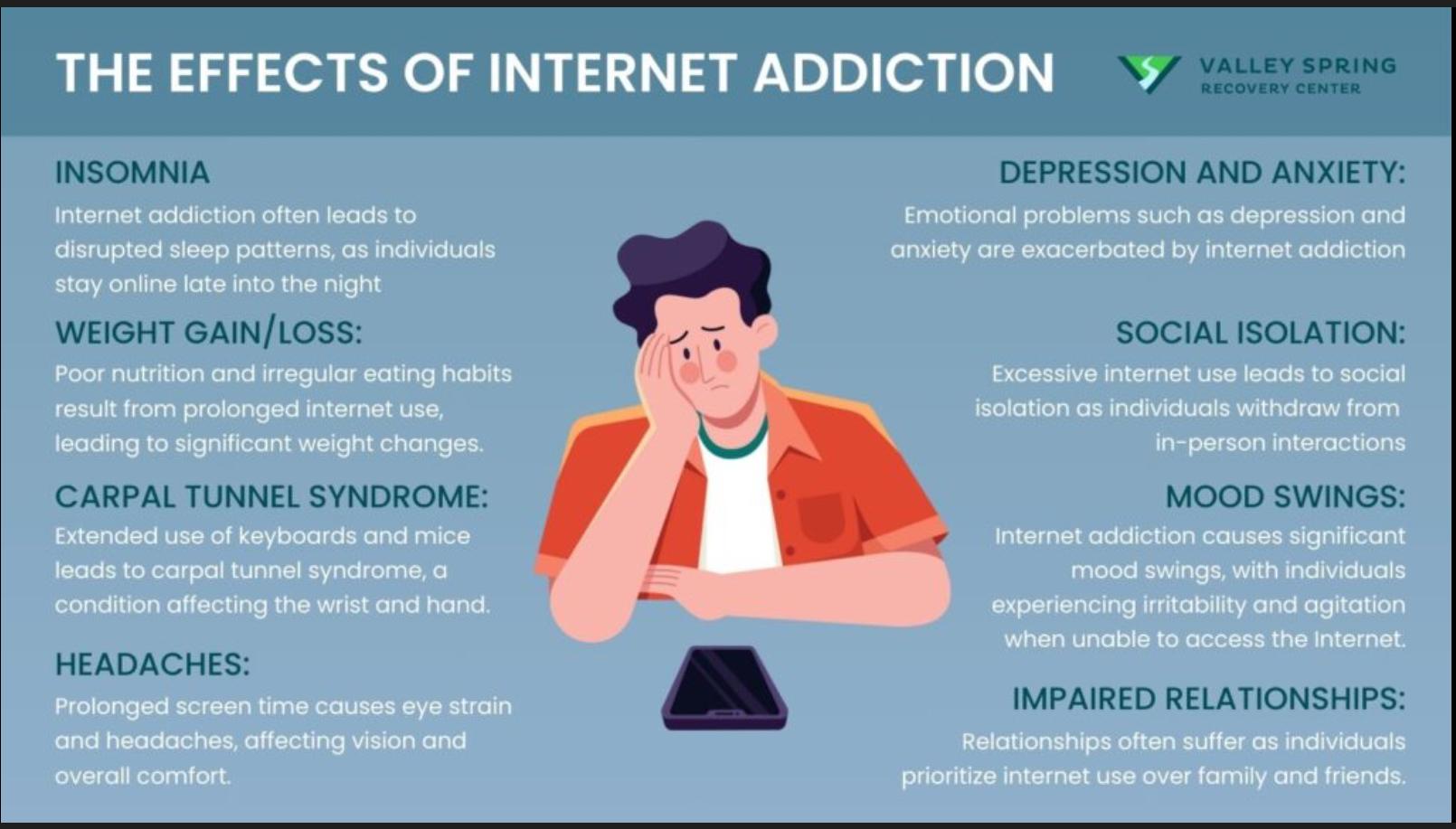
Benefits of the screen:
- Enhanced Communication: Screens facilitate instant communication with friends and family, especially over long distances, which was vital during events like the COVID-19 pandemic.
- Education and Information Access: Technology provides access to a wealth of information and high-quality educational programs and apps that can support learning, literacy, and critical thinking skills across all ages.
- Skill Development: Interactive games and applications can boost imagination, problem-solving, visual intelligence, and hand-eye coordination.
- Convenience and Productivity: Digital devices increase productivity for work or school tasks and offer convenience for daily life activities like online banking or shopping.
- Anxiety Relief/Distraction: In some contexts, screen activities can serve as an effective distraction and a source of temporary anxiety relief, sometimes proving as effective as certain medications in studies.
- Disadvantages of the screen
- Sleep Disturbances: The blue light emitted by screens interferes with melatonin production, the hormone that regulates sleep-wake cycles, leading to difficulty falling asleep, shorter sleep duration, and overall poor sleep quality.
- Physical Health Issues:
- Eye Strain and Headaches: Prolonged focus on screens can cause digital eye strain (computer vision syndrome), dry eyes, blurred vision, and headaches.
- Musculoskeletal Problems: Poor posture adopted during device use can lead to neck, shoulder, and back pain.
- Obesity: Excessive, sedentary screen time reduces time available for physical activity and can promote mindless snacking and an appetite for junk food advertised in media.
- Mental Health Concerns: A strong correlation exists between higher screen time and increased levels of depression, anxiety, loneliness, and stress. The "fear of missing out" (FOMO) and constant social comparisons on platforms can exacerbate these feelings.
- Social and Emotional Impairment:
- Social Isolation: Excessive reliance on virtual interactions can limit opportunities for face-to-face communication, leading to social isolation and hindering the development of in-person social skills, especially in children.
- Reduced Empathy: One study noted a decrease in the ability to interpret human emotions in children who went without screen use for a short period.