
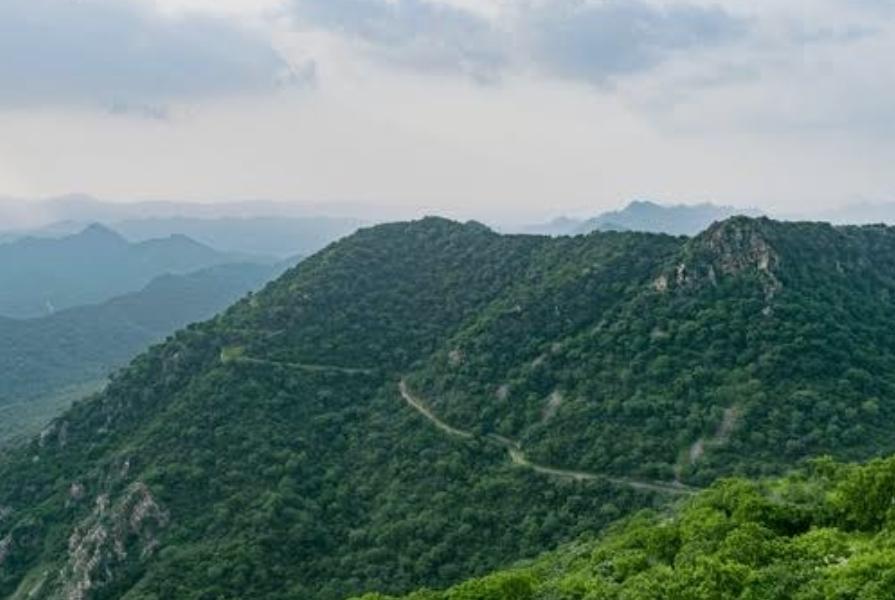
The Aravalli Hills 🌍 are one of the oldest mountain ranges in the world and form an important physical feature of India’s landscape. They run across Rajasthan, Haryana, and parts of Delhi ⛰️ and have influenced the geography, climate, and natural resources of these regions.
These hills play a role in regulating climate 🌦️ by acting as a barrier to desert winds from the Thar Desert. The rocks and soil of the Aravallis help rainwater seep into the ground 💧, supporting groundwater reserves and nearby rivers 🏞️ The region also supports forests 🌳 and diverse wildlife .
The Aravalli range has been closely connected with human settlements 🏘️ for centuries. Many communities depend on its land and water resources for agriculture and daily life. Minerals found in this region have also been used for construction and industry over time.
If the Aravalli Hills disappear, several changes could occur 🌍. Desert conditions might spread further 🏜️, groundwater availability could reduce 💦, and air quality in nearby cities could be affected. Wildlife habitats might shrink, and climate patterns 🔥 could become more extreme.
These possibilities raise important questions 🤔 about geography and environment. What would happen to water sources 💧 without the natural structure of the hills? How would human settlements 🌆 adapt to such changes in climate and resources?
The Aravalli Hills remain a significant part of India’s natural heritage 🌱 and continue to influence the environment and human life in many ways.