
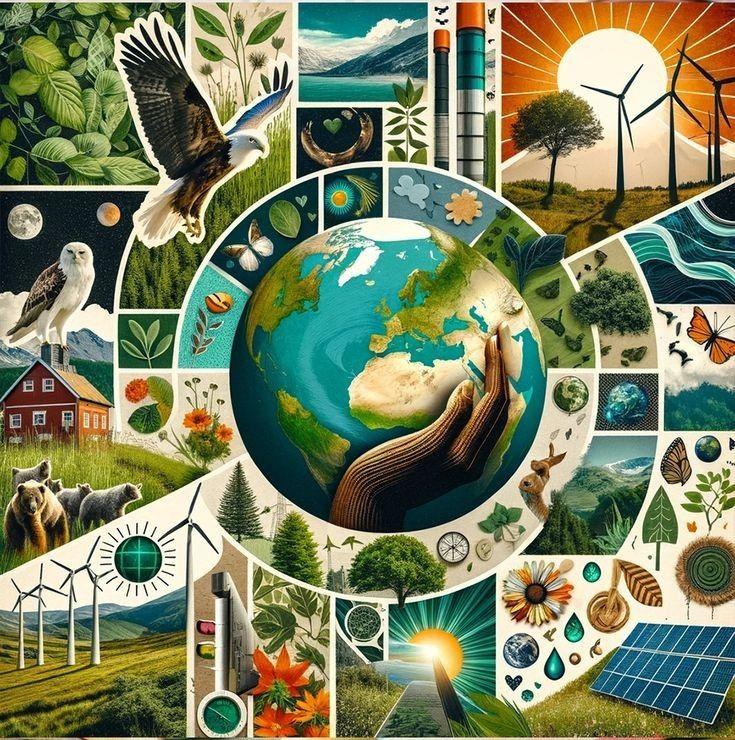
Sustainability means using Earth’s resources in a way that meets our needs today without harming the ability of future generations to meet theirs. It is about balance—between humans and nature, development and conservation, present comfort and future survival.
Our planet provides us with air, water, food, energy, and materials. However, excessive pollution, deforestation, climate change, and overuse of natural resources are damaging the environment at a fast rate. Sustainability encourages us to slow down this damage by making responsible choices in how we live, produce, and consume.
One important part of sustainability is environmental protection. This includes reducing waste, recycling materials, saving water, using renewable energy like solar and wind power, and protecting forests and wildlife. Simple actions such as switching off unused lights, avoiding plastic bags, and planting trees can make a big difference when practiced by many people.
Sustainability also involves social and economic responsibility. It supports fair treatment of people, safe working conditions, and equal access to resources like education and clean water. Economically, it promotes long-term growth without exhausting natural wealth, ensuring that progress does not come at the cost of the environment.
Young people play a crucial role in building a sustainable future. By being aware, spreading knowledge, and adopting eco-friendly habits, students can become responsible citizens who care for the planet. Schools, communities, and governments must also work together to support sustainable policies and practices.
In conclusion, sustainability is not just an idea—it is a necessity. Protecting the Earth today ensures a healthier, safer, and more hopeful tomorrow. The choices we make now will decide the world future generations inherit, and it is our responsibility to make those choices wisely.