
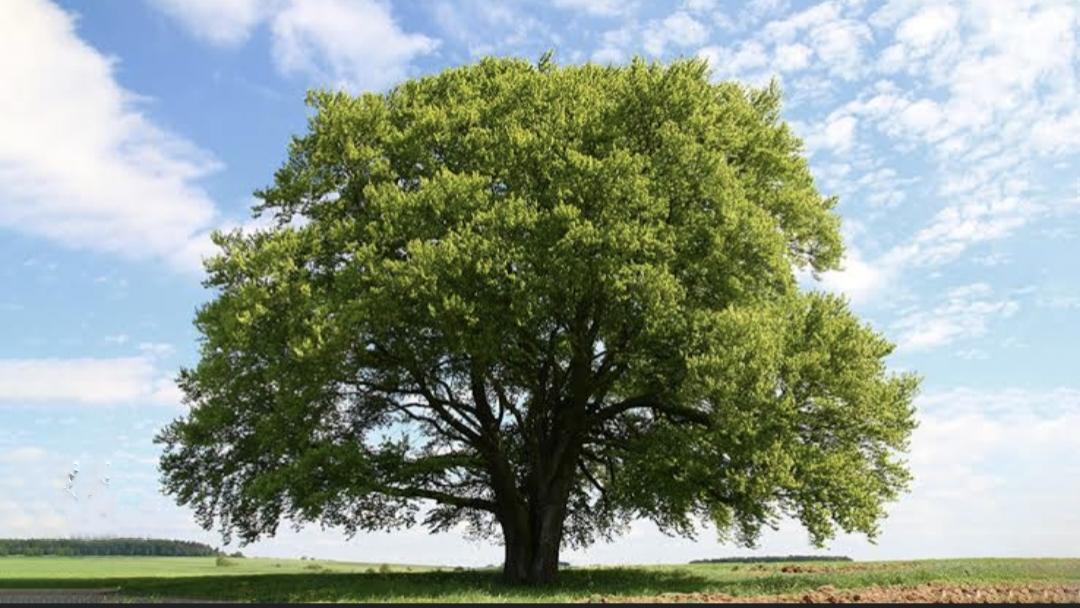
To "save trees" means to protect them from deforestation and destruction, and to actively conserve and promote their well-being. This includes reducing paper consumption, planting new trees, and advocating for policies that protect forests. Protecting trees is crucial for maintaining a healthy planet and supporting life as we know it. Reduce Paper Consumption:
Go digital: Use online documents, emails, and digital payment systems instead of paper.
Print only when necessary: Choose double-sided printing and reuse scrap paper.
Recycle paper: Ensure proper recycling of paper products.
Choose recycled paper: Opt for paper products made from recycled materials.
Reduce junk mail: Use options like the National Do Not Mail List to reduce unwanted mail, accordingPlant Trees:
Participate in tree planting programs: Join local initiatives or organize your own.
Plant trees in your yard or community: Even small contributions can make a difference.
3. Protect Existing Trees:
Support local conservation efforts: Advocate for the protection of forests and green spaces.
Report illegal logging or deforestation: Contact authorities if you witness tree destruction.
Educate others about the importance of trees: Share information about the benefits of trees with friends and family. Consider Your Consumption:
Reduce meat consumption: Deforestation is often linked to agricultural expansion for livestock, according to wikiHow.
Support sustainable forestry: Choose wood products with certifications like FSC certification.
5. Advocate for Change:
Push for policies that protect forests: Contact your local representatives and advocate for stronger environmental regulations.
Support organizations working on reforestation and conservation: Donate to or volunteer with groups dedicated to tree conservation. Trees are vital for the environment, providing us with clean air and water, regulating the climate, and supporting biodiversity. By taking action, we can help save trees and ensure a healthy planet for future generations.