
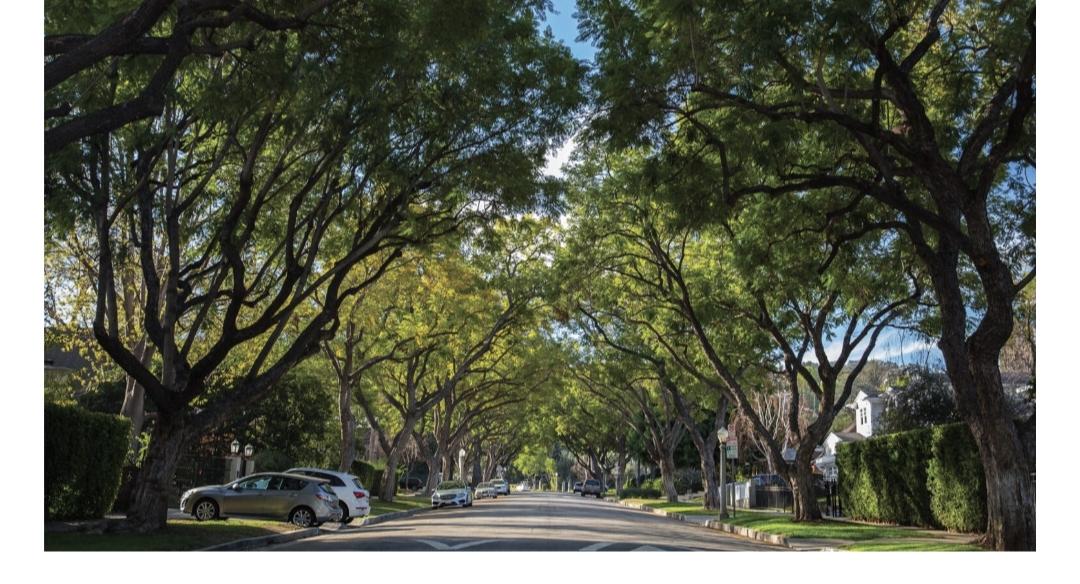
Saving trees provides numerous benefits, including cleaner air, improved water quality, and a healthier environment for both humans and wildlife. Trees play a crucial role in mitigating climate change by absorbing carbon dioxide, and they also help prevent soil erosion and provide habitats for various species. Furthermore, trees enhance our well-being by reducing stress and improving mental health. Environmental Benefits:
Air Purification:
Trees absorb pollutants like carbon dioxide and release oxygen, improving air quality.
Climate Regulation:
By absorbing carbon dioxide, trees help mitigate climate change and reduce the greenhouse effect.
Water Conservation:
Trees help regulate water cycles, reducing runoff and erosion, and improving water quality.
Soil Conservation:
Tree roots help stabilize the soil, preventing erosion and landslides.
Wildlife Habitat:
Trees provide food, shelter, and breeding grounds for countless species of animals, birds, and insects. Biodiversity:
Forests and woodlands support a wide range of plant and animal life, contributing to overall biodiversity.
Human Benefits:
Health and Well-being:
Studies have shown that spending time in nature, especially among trees, can reduce stress, lower blood pressure, and improve mental health.
Economic Benefits:
Trees can increase property values, reduce energy costs (through shade), and create recreational opportunities.
Aesthetics and Recreation:
Trees enhance the beauty of landscapes, provide shade, and offer spaces for recreation and relaxation.
Reduced Stormwater Runoff:
Trees help absorb rainwater, reducing the risk of flooding and erosion. Medicinal Resources:
Trees and plants are a source of many medicines, with a significant portion of pharmaceuticals derived from them.
By saving trees, we are not only protecting our environment but also investing in our own health, well-being, and the future of our planet.