
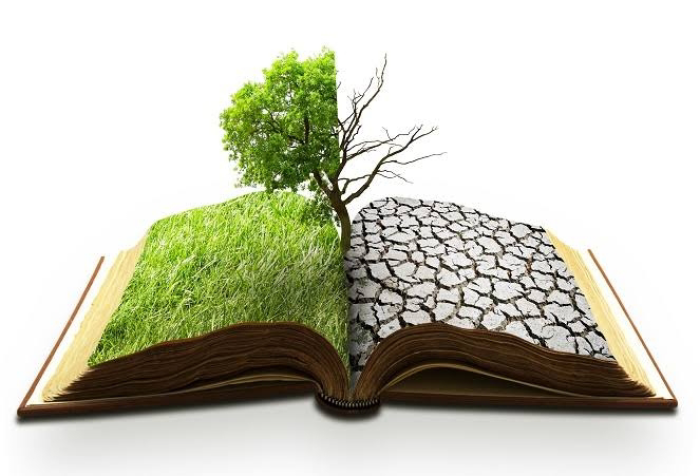
In a world increasingly affected by climate change, deforestation, and pollution, the written word has emerged as a powerful tool not just to entertain and enlighten, but to inspire action for the planet. This is where sustainable literature — also known as eco-literature or environmental literature — steps in. It includes works that explore humanity’s relationship with nature, raise awareness about environmental issues, and encourage a more conscious and sustainable way of living.
What Is Sustainable Literature?
Sustainable literature refers to literary works — fiction, poetry, essays, and more — that:
-
Highlight environmental challenges
-
Celebrate the beauty and importance of nature
-
Encourage ecological balance and respect for all life
-
Promote sustainable thinking, behavior, and values
-
Offer hope and imagination for a greener future
Whether it's a novel about a forest under threat, a poem about the ocean, or a fable about animals and their habitats, such stories build empathy for the Earth and its creatures.
Why Is Literature Important for Sustainability?
While science gives us the facts, literature gives us the feelings. Through storytelling, readers:
-
Understand complex ecological issues in human terms
-
Develop compassion for animals, plants, and landscapes
-
Reflect on their own actions and responsibilities
-
Imagine better, greener worlds
-
Feel inspired to protect nature through everyday choices
Books can be quiet revolutions — they can change minds and, eventually, the world.
Themes Common in Sustainable Literature
-
Human-Nature Connection
Shows how humans are part of nature, not separate from it. -
Environmental Destruction
Stories of forests disappearing, species going extinct, or pollution harming life. -
Climate Crisis
Fictional or real accounts of rising temperatures, floods, droughts, and their human impact. -
Sustainable Communities
Imagining societies that live in harmony with the environment. -
Activism and Hope
Tales of people fighting to save their rivers, animals, or cultures — and succeeding.
Examples of Eco-Literature
🌱 Children’s Books
-
The Lorax by Dr. Seuss – A powerful tale about environmental greed and speaking up for trees.
-
The Giving Tree by Shel Silverstein – A touching story about unconditional giving and consequences.
📖 Fiction
-
Flight Behavior by Barbara Kingsolver – Blends climate science with human drama.
-
The Overstory by Richard Powers – Celebrates trees and ecological activism.
🖋️ Poetry
-
Rabindranath Tagore’s nature poems reflect deep spiritual ties to the Earth.
-
William Wordsworth's romantic poetry often praised the beauty of forests, rivers, and rural life.
📚 Indian Literature
-
Panchatantra and Jataka Tales often include animals and nature as central characters.
-
Many folk stories from tribal communities emphasize harmony with nature and respect for land.
Role of Writers and Storytellers
Writers have a deep responsibility — their words can:
-
Shape public opinion on sustainability
-
Preserve indigenous knowledge and oral traditions about nature
-
Advocate for environmental justice through characters and plots
-
Translate science into emotion, making facts more relatable
Some writers even choose sustainable publishing methods, such as using recycled paper, soy-based inks, and e-books to reduce environmental impact.
How Can Students and Readers Engage in Sustainable Literature?
-
Read nature-based books and reflect on their messages
-
Write stories, poems, or essays about the environment
-
Start a school eco-literature club
-
Use literature in environmental campaigns (e.g., readings at tree-planting events)
-
Share books that carry strong sustainability themes with others
Sustainable Publishing: Greener Words, Greener World
The book industry itself is shifting toward sustainability. Environmentally responsible publishers now:
-
Use FSC-certified or recycled paper
-
Reduce packaging waste
-
Opt for digital publishing when possible
-
Choose local printing to reduce carbon footprints
-
Support climate-positive printing programs (e.g., planting a tree per book sold)
So, literature is not only about what is written, but how it’s produced and shared.
Conclusion: Telling Earth’s Stories for Tomorrow
Sustainable literature is more than just a genre — it's a movement of mindful storytelling. In a world that often forgets its roots, these books remind us to look at the sky, feel the soil, hear the river, and care deeply.
📚 Let us read with awareness, write with purpose, and tell stories that plant seeds of hope, healing, and harmony — for our planet, and for generations to come.