
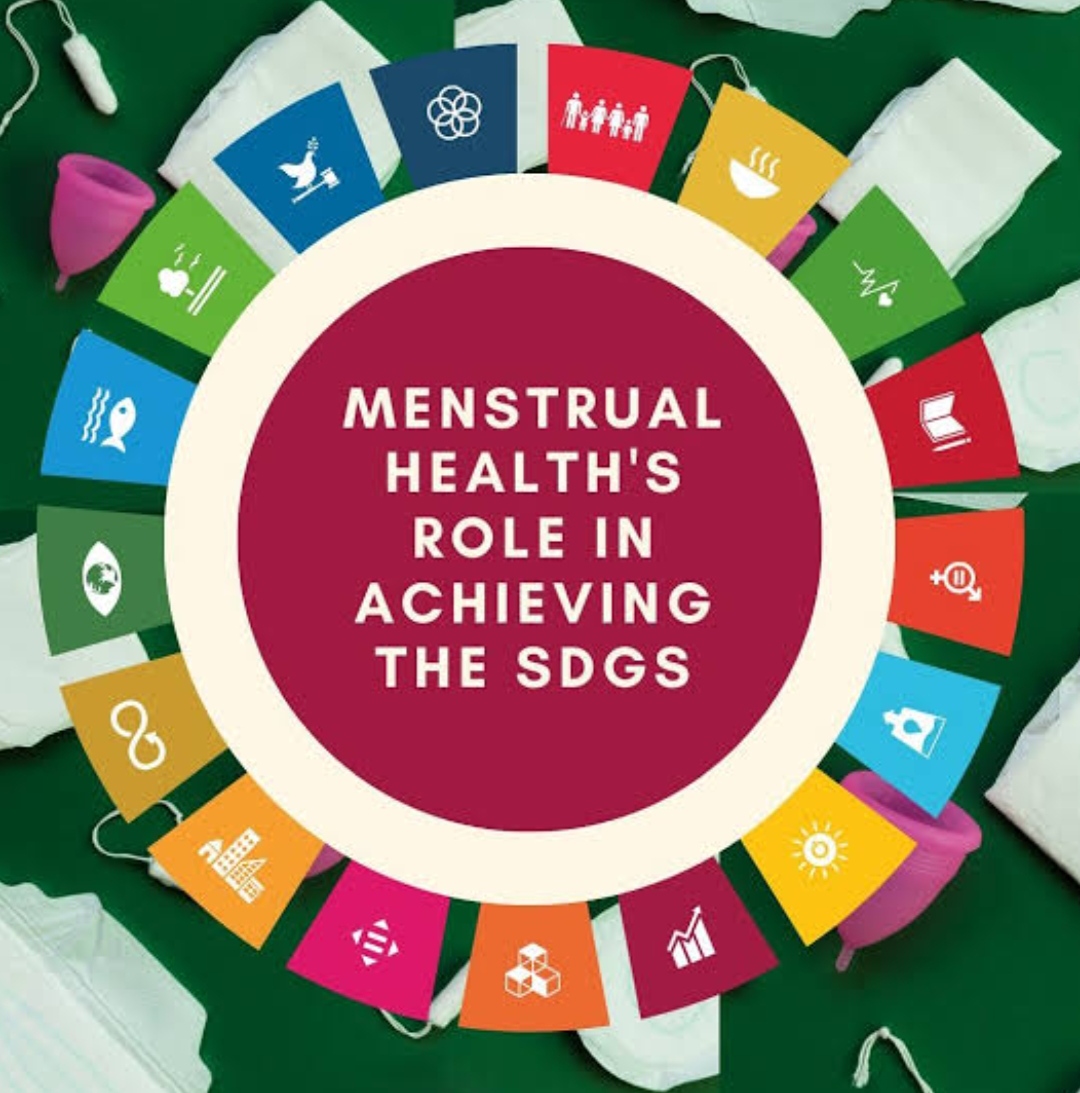
May 28 is globally recognized as Menstrual Hygiene Day, a date that directly champions the UN's Sustainable Development Goals (SDGs). By breaking period taboos, ensuring sanitation access, and promoting gender equality, this day directly supports SDG 5 (Gender Equality) and SDG 6 (Clean Water and Sanitation).
More broadly, the SDGs are the United Nations' overarching blueprint to eradicate extreme poverty, fight inequality, and protect the planet by 2030. Their importance lies in harmonizing economic growth, social well-being, and environmental sustainability
The 17 Global Goals
The framework is divided into 17 interconnected categories
1. People: Goals targeting basic human needs, including No Poverty (SDG 1), Zero Hunger (SDG 2), Good Health (SDG 3), Quality Education (SDG 4), and Gender Equality (SDG 5).
2. Planet: Goals addressing the climate crisis and environmental degradation, such as Clean Water (SDG 6), Affordable Energy (SDG 7), Climate Action (SDG 13), Life Below Water (SDG 14), and Life on Land (SDG 15).
3. Prosperity & Peace: Goals focused on economic growth, innovation, and strong institutions, including Decent Work (SDG 8), Industry & Infrastructure (SDG 9), Reduced Inequalities (SDG 10), and Peace and Justice (SDG 16).
4. Partnership: Emphasizing global 4cooperation to achieve these targets (SDG 17)