
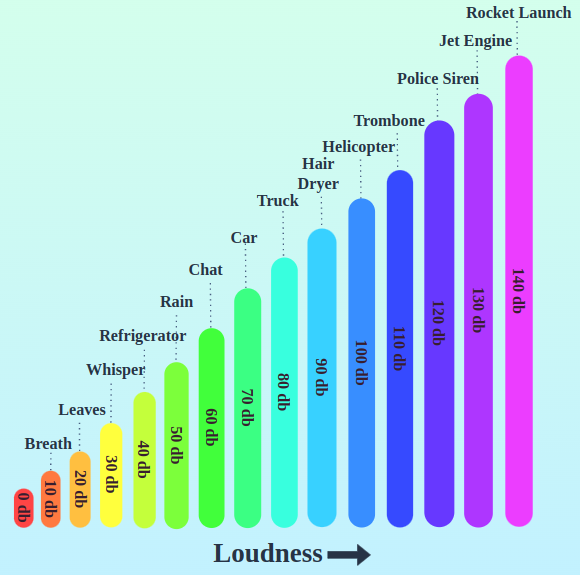
Noise pollution, an increasingly prevalent environmental problem, poses significant challenges to human health, well-being, and the ecosystem. According to a report by the United Nations Environment Programme (UNEP), approximately 1.6 billion people worldwide are exposed to unhealthy levels of noise pollution. This essay aims to delve into the complex causes, multifaceted impacts, and potential solutions to mitigate noise pollution.

Causes and Sources
Noise pollution originates from various anthropogenic activities, including transportation, industrial operations, construction, and recreational events. In urban areas, traffic noise is a major contributor, with studies indicating that it surpasses acceptable levels in many cities globally. Industrial facilities, such as factories and power plants, emit substantial noise during their operations, affecting nearby communities. Construction activities, including drilling, hammering, and heavy machinery operation, also contribute significantly to noise pollution. Moreover, social gatherings, concerts, and outdoor events produce excessive noise, particularly in residential areas.
Health Impacts
Exposure to high levels of noise pollution can have profound effects on human health. Chronic noise exposure is associated with various adverse health outcomes, including hearing loss, cardiovascular diseases, sleep disturbances, and mental health disorders. The World Health Organization (WHO) estimates that environmental noise contributes to thousands of premature deaths annually due to heart disease and stroke. Furthermore, children exposed to noise pollution may experience learning difficulties and impaired cognitive development. Noise-induced sleep disturbances can lead to fatigue, irritability, and decreased productivity, impacting overall well-being.
Environmental Consequences
Noise pollution not only affects human health but also disrupts ecosystems and wildlife. Studies have shown that noise pollution alters animal behavior, communication, and reproductive patterns. Marine mammals, such as whales and dolphins, are particularly vulnerable to underwater noise pollution, which interferes with their navigation, communication, and foraging activities. Terrestrial wildlife may experience habitat fragmentation and displacement due to excessive noise levels, leading to biodiversity loss and ecological imbalances.