
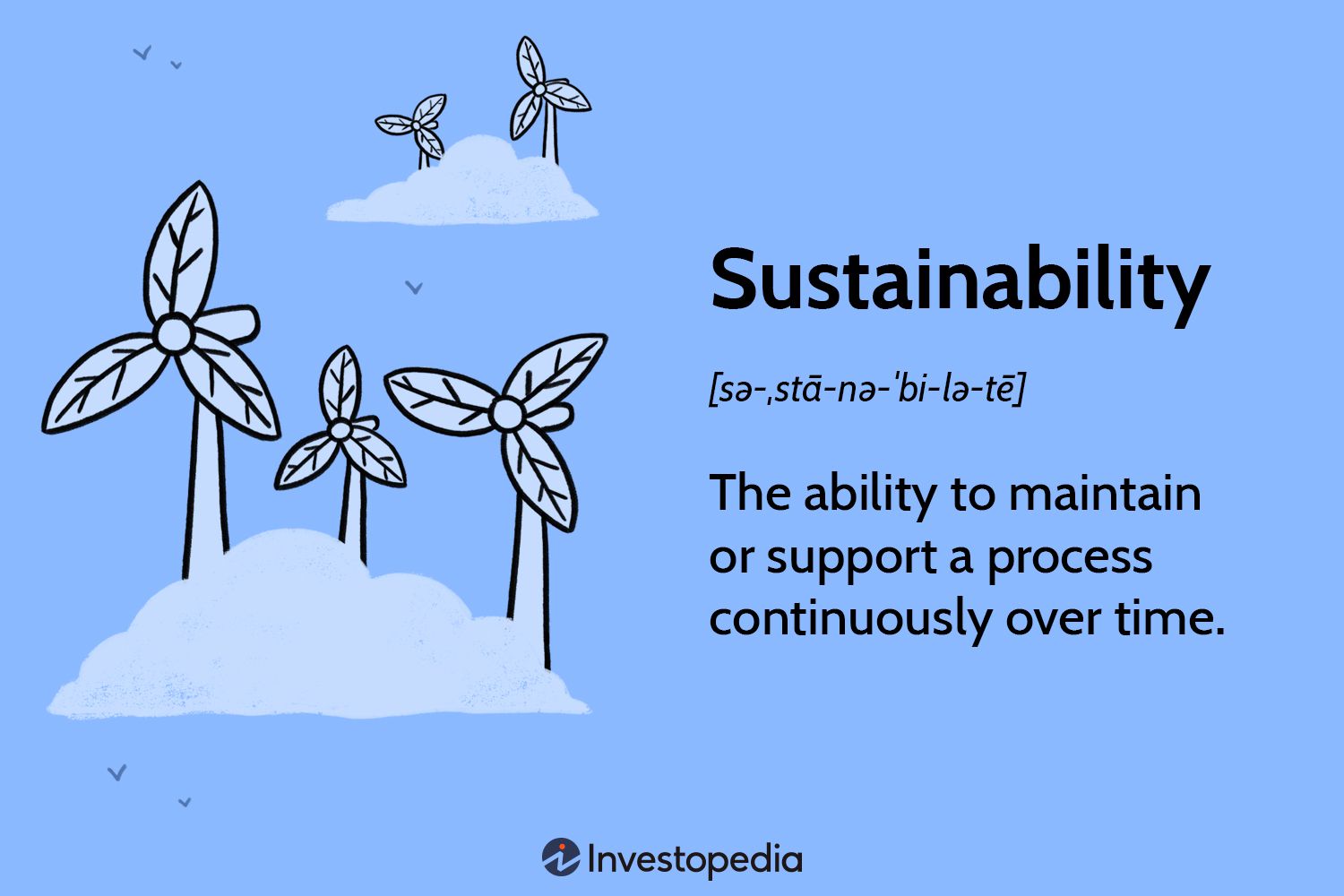
Sustainability means development that does not damage the environment and fulfills the needs of the present without affecting the needs and aspirations of future generations. In today’s world, sustainability has become very important because our environment is facing many problems such as pollution, global warming, deforestation, and shortage of natural resources.
Human activities like cutting trees, using excessive plastic, and wasting water and electricity are harming nature. As the population increases, the demand for resources also increases. If we continue to use resources carelessly, future generations may suffer from lack of clean air, water, and energy. Therefore, it is our responsibility to protect and conserve the environment.
There are many simple ways to promote sustainability. We can plant more trees, reduce the use of plastic, recycle waste materials, and save water and electricity. Using public transport, bicycles, and renewable sources of energy such as solar and wind power can also help reduce pollution. Small efforts by individuals can create a big positive impact on society.
Schools and communities should spread awareness about sustainable living. Young people especially have an important role in bringing change because they are the future of the nation. By adopting eco-friendly habits today, we can ensure a safer and healthier tomorrow.
In conclusion, sustainability is the key to balancing development and environmental protection. It teaches us to use resources wisely and care for nature. If every person takes responsibility and works together, we can build a greener, cleaner, and brighter future for generations to come.