
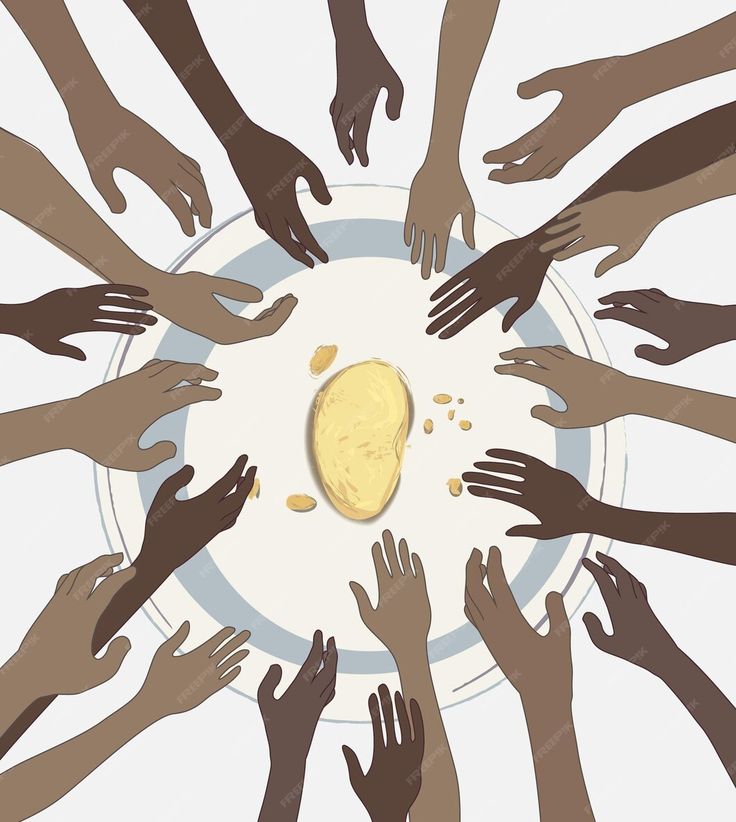
India has one of the world's most troubling contradictions. It is a country that experiences record-breaking economic growth and ambitious space projects, yet nearly 194 million people still face chronic hunger. Although India is one of the top agricultural producers worldwide, it ranks 111th out of 125 countries on the Global Hunger Index, falling into the "serious" category. Millions of families, especially in states like Jharkhand, Bihar, Uttar Pradesh, and Odisha, deal with food insecurity daily. Their survival hinges on a delicate balance between low wages and increasing prices.
Poverty causes hunger. India has cut extreme poverty significantly in the last thirty years, but deep inequalities remain based on caste, gender, and location. Dalit and Adivasi communities experience poverty rates two to three times higher than the national average. In millions of households, women and girls eat last and get the least food. Over 90% of India's workforce is informally employed. They have no job security, no safety net, and no protection against crop failures or medical emergencies that can drive a family from poverty to desperation in an instant.
The Indian government has created one of the largest welfare systems in history. The Public Distribution System provides food for over 800 million people. MGNREGA ensures jobs for people in rural areas, and the Mid-Day Meal Scheme feeds 118 million schoolchildren every day. However, significant gaps still exist. Exclusion errors prevent genuinely needy families from receiving rations. Supply chains often fail in remote areas, and wages have not kept up with inflation. The system looks good on paper but is very uneven in practice, leaving the most vulnerable recipients at risk.
India's hunger crisis cannot be fixed by food distribution alone. It requires land reform, labor protections, universal healthcare, gender equity, and urgent climate adaptation. Erratic monsoons and rising temperatures increasingly threaten the livelihoods of farmers who already live on the edge. Above all, it needs the political will to view food not as a privilege but as a right. India has the resources, talent, and democratic institutions to end hunger within a generation. The only question is whether it will make that choice.