
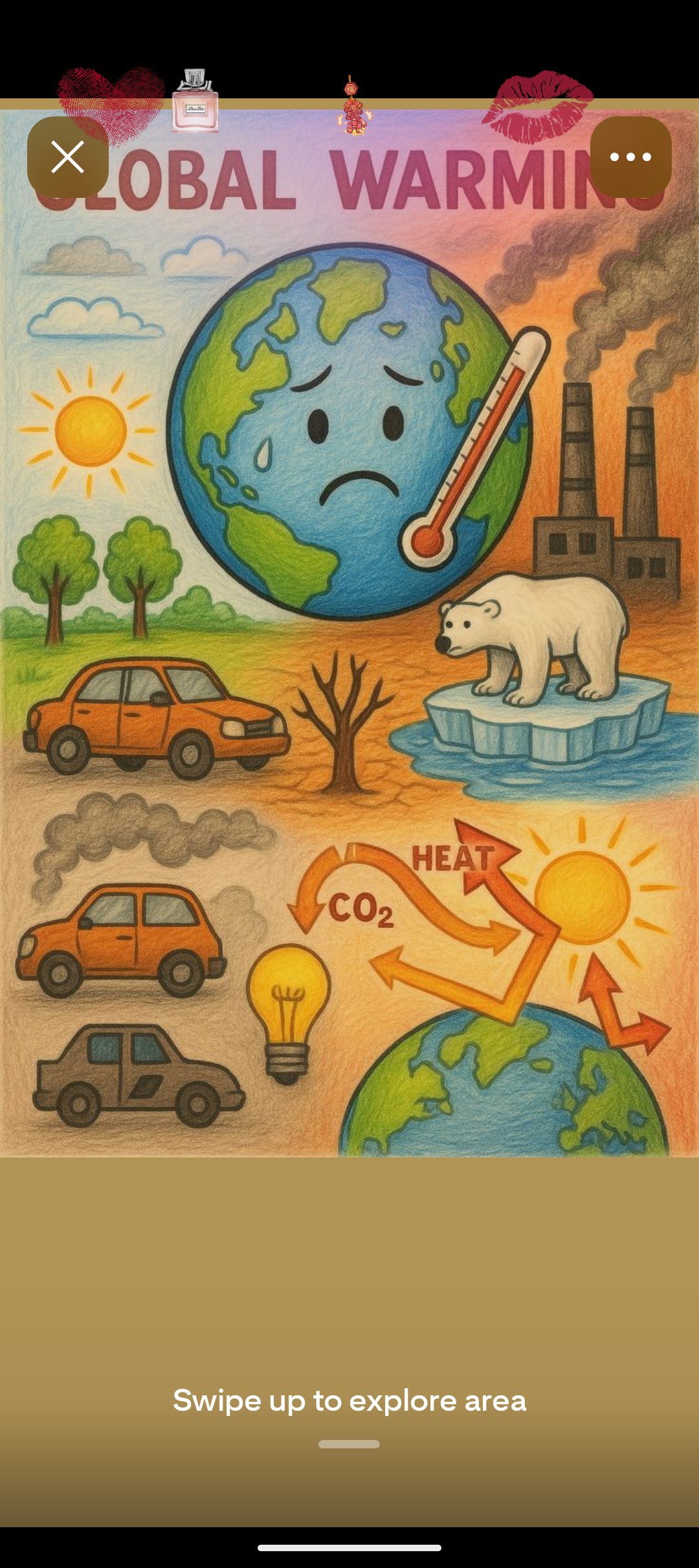
Global warming is no longer just something scientists talk about for the future—it is something India is already experiencing. Rising temperatures, changing rainfall patterns, stronger floods, and water shortages are affecting millions of people across the country. Since India depends heavily on agriculture, monsoons, and natural resources, climate change has become a serious challenge.
One of the biggest effects of global warming in India is extreme heatwaves. Summers are becoming hotter and lasting longer. In many states, temperatures now cross dangerous levels, making it difficult for people to work outdoors. Farmers, construction workers, and street vendors suffer the most. Heatwaves can lead to dehydration, heatstroke, and even death. Studies have shown that large parts of India are now facing unsafe heat stress conditions.
Another major impact is on agriculture. India’s farmers depend on regular rainfall and suitable temperatures for crops like wheat, rice, and pulses. But because of rising heat and unpredictable monsoons, crop production is being affected. Droughts, less soil moisture, and sudden heavy rainfall can damage crops and reduce farmers’ incomes. This also increases food prices and affects food security.
Global warming is also causing irregular monsoons and floods. Some places receive too little rain, while others get sudden heavy rainfall in a short time. This leads to flash floods, landslides, and damage to roads, homes, and farms. States in the Himalayan region and many cities have already faced such disasters.
Another serious problem is water scarcity. Higher temperatures increase evaporation, and changing rainfall patterns reduce water availability. Many rivers, lakes, and groundwater sources are under pressure. This creates drinking water shortages and affects farming and daily life.
India’s coastal cities are also at risk because rising sea levels can cause flooding and erosion. Cities like Mumbai, Chennai, and Kolkata may face greater danger in the future. Fishermen and people living near coastlines could lose homes and livelihoods.
Apart from this, global warming harms wildlife and nature. Forest fires, melting glaciers, habitat loss, and changing ecosystems threaten animals and plants. The Himalayan glaciers, which supply water to major rivers, are also melting faster.
In conclusion, global warming is deeply affecting India’s environment, economy, and people’s lives. From heatwaves and floods to crop loss and water shortages, its impact is already visible. If proper action is not taken, these problems may become worse. Protecting the environment, reducing pollution, and using cleaner energy can help India fight this growing challenge.