
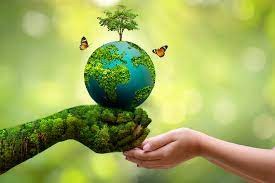
Environmental conservation refers to the responsible protection, preservation, and sustainable management of natural resources and ecosystems in order to maintain ecological balance and ensure the well-being of present and future generations. In recent decades, rapid industrialization, urbanization, deforestation, pollution, and the overexploitation of natural resources have caused severe environmental degradation, leading to critical global issues such as climate change, biodiversity loss, water scarcity, and air pollution. Conservation efforts are therefore essential to reduce human impact on the environment and promote sustainable development. Effective environmental conservation involves a wide range of practices, including afforestation, wildlife protection, renewable energy adoption, waste management, recycling, water conservation, and the reduction of greenhouse gas emissions. Governments, organizations, and individuals all play a vital role in protecting the environment by implementing eco-friendly policies and adopting sustainable lifestyles. Public awareness and environmental education are equally important, as they encourage communities to make informed decisions that support environmental sustainability. Furthermore, technological innovation and scientific research can contribute significantly to developing cleaner energy sources and more efficient methods of resource utilization. Protecting the environment is not only a social and moral responsibility but also an economic necessity, as natural resources form the foundation of human survival and economic growth. Therefore, environmental conservation must be treated as a global priority to create a healthier, safer, and more sustainable planet for all living organisms.