
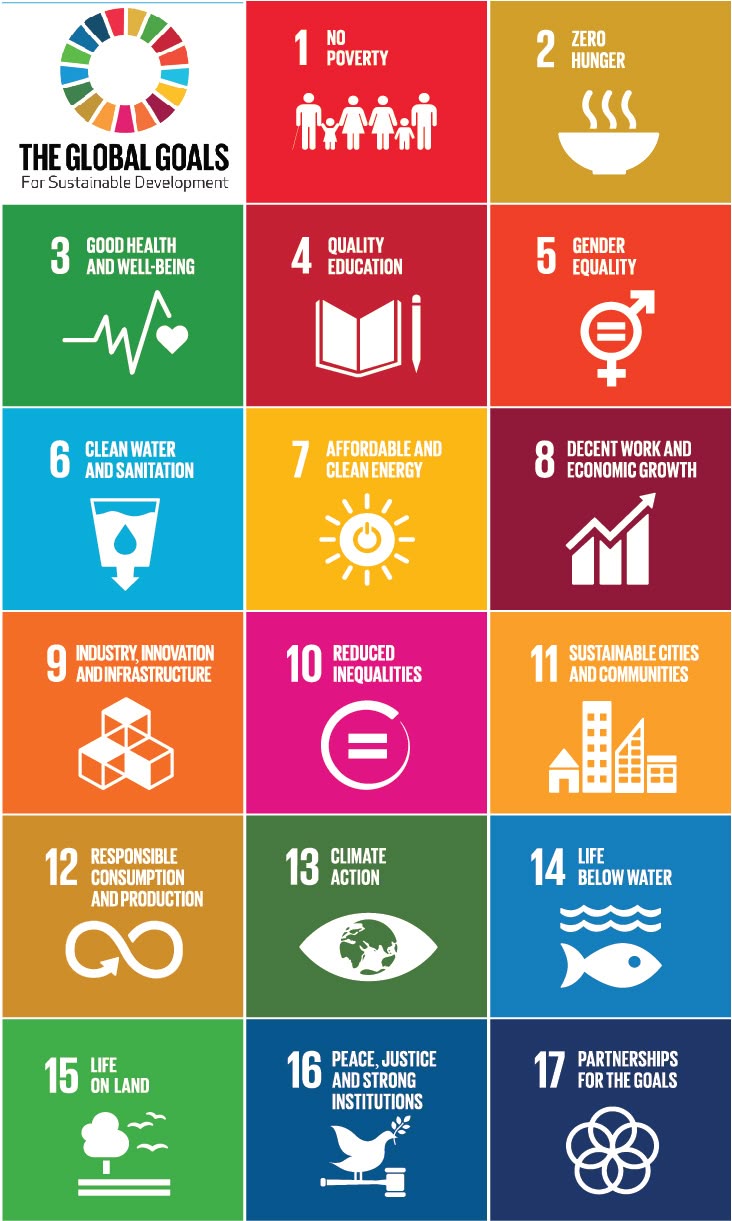
The Sustainable Development Goals (SDGs) are a set of 17 global goals created by the United Nations to make the world a better, safer, and more sustainable place for everyone by the year 2030. These goals focus on important issues such as poverty, hunger, education, health, equality, climate change, clean energy, and peace. The SDGs encourage countries, communities, and individuals to work together to improve the quality of life while protecting the planet for future generations.
The 17 SDGs include No Poverty, Zero Hunger, Good Health and Well-being, Quality Education, Gender Equality, Clean Water and Sanitation, Affordable and Clean Energy, Decent Work and Economic Growth, Industry and Innovation, Reduced Inequalities, Sustainable Cities, Responsible Consumption, Climate Action, Life Below Water, Life on Land, Peace and Justice, and Partnerships for the Goals. Each goal is connected and plays an important role in creating a balanced and sustainable future.
The SDGs are important because they spread awareness about global challenges and inspire people to take positive action. Even small efforts like saving water, reducing waste, supporting education, helping people in need, and protecting nature can contribute to achieving these goals. Students and young people also play a major role in creating awareness and bringing change through innovation, responsibility, and community support.
In conclusion, the Sustainable Development Goals are a roadmap toward a healthier, fairer, and more sustainable world. Achieving these goals requires cooperation, awareness, and commitment from everyone. Together, we can build a future where no one is left behind and where both people and the planet can thrive. 🌍✨