
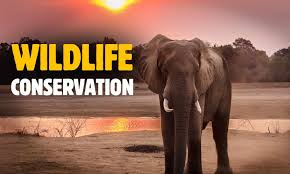
🌿 Wildlife Conservation in India: Protecting Our Natural Heritage
Introduction
India is one of the richest countries in terms of biodiversity, with a wide variety of forests, rivers, and ecosystems that support countless species of plants and animals. From powerful big cats to gentle giants and rare birds, India’s wildlife is both unique and invaluable. However, this natural wealth is under serious threat. Wildlife conservation has become essential not only to protect these species but also to maintain the balance of nature that humans depend on.
What Is Wildlife Conservation?
Wildlife conservation refers to the protection and preservation of animal species and their natural habitats. It aims to ensure that wildlife continues to thrive for future generations while maintaining ecological balance. Healthy ecosystems depend on a diversity of species, each playing a specific role in the environment.
Major Threats to Wildlife in India
Despite efforts to protect nature, wildlife in India faces several challenges:
1. Habitat Loss
Forests and natural habitats are being destroyed for agriculture, urban development, and infrastructure projects. This leaves animals with less space to live and survive.
2. Poaching and Illegal Trade
Many animals are hunted for their skin, bones, horns, or other body parts. This illegal activity continues to push several species toward extinction.
3. Climate Change
Rising temperatures and changing weather patterns are affecting ecosystems, making it harder for wildlife to adapt.
4. Human-Wildlife Conflict
As human populations expand, animals are forced into closer contact with people, often leading to conflict that harms both sides.
Conservation Efforts in India
India has taken several important steps to protect its wildlife:
Protected Areas
National parks, wildlife sanctuaries, and biosphere reserves have been established to provide safe habitats for animals.
Government Initiatives
Special programs have been launched to protect endangered species and restore their populations.
Legal Protection
Strict laws are in place to prevent hunting, poaching, and illegal trade of wildlife.
Research and Awareness
Scientists and conservationists are working to study wildlife and spread awareness about the importance of protecting nature.
Why Wildlife Conservation Matters
Wildlife conservation is not just about saving animals—it directly impacts human life as well:
- It maintains ecological balance
- It supports agriculture through pollination and pest control
- It helps preserve clean air and water
- It contributes to tourism and livelihoods
- It ensures the survival of future generations
What Can We Do?
Every individual can contribute to wildlife conservation in simple ways:
- Avoid buying products made from animal parts
- Reduce plastic use and environmental pollution
- Support conservation organizations and initiatives
- Respect wildlife and natural habitats
- Spread awareness among friends and family
Conclusion
Wildlife conservation in India is a shared responsibility. While governments and organizations play a major role, the actions of individuals also matter. Protecting wildlife is not just about preserving nature—it is about securing a sustainable future for ourselves. If we act today, we can ensure that future generations will continue to experience the beauty and diversity of India’s natural world.