
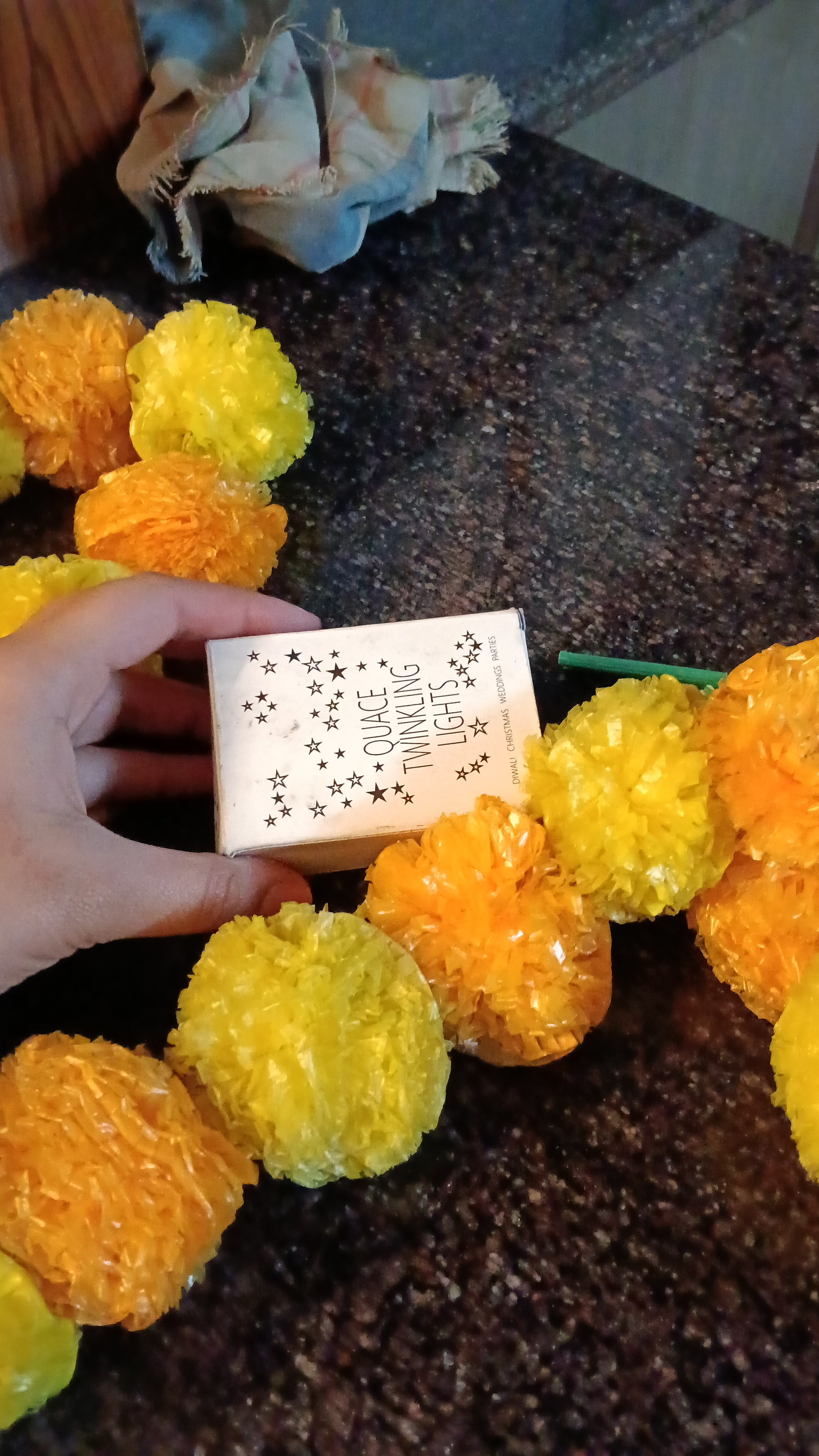
The Essence of Craft
Poduced goods, craft emphasizes the relationship between the maker and the medium. Whether it is wood, clay, fiber, or metal, the artisan works in dialogue with their material, understanding its unique grains, textures, and limits. This process results in "soulful" objects that carry the mark of their creator.Why Craft Matters TodayIn an era of digital automation and fast-moving consumerism, craft offers a vital counterpoint:Mindfulness: The repetitive, tactile nature of crafting—like knitting or pottery—promotes a "flow state," reducing stress and improving mental well-being.Sustainability: Handcrafted items are typically built to last. Crafting encourages repairing over replacing, directly challenging the "throwaway culture."Cultural Identity: Many crafts, such as weaving or basketry, carry the history and traditions of specific communities, serving as a living link to the past.The Spectrum of CraftCraft spans a vast range of disciplines, often categorized by the primary material used:Textile Crafts: Knitting, quilting, embroidery, and weaving.Wood & Metal Crafts: Carpentry, furniture making, jewelry design, and blacksmithing.Ceramic & Glass Crafts: Pottery, sculpting, and glassblowing.Paper & Leather Crafts: Bookbinding, calligraphy, and leatherworking.The Future: Modern CraftThe definition of craft is evolving. Today’s "makers" often blend traditional techniques with modern technology, such as using 3D printing for jewelry molds or digital tools to design complex patterns for hand-weaving.Ultimately, craft remains a testament to human patience and ingenuity. It reminds us that there is immense value in slowing down to create something with intent, skill, and care.