
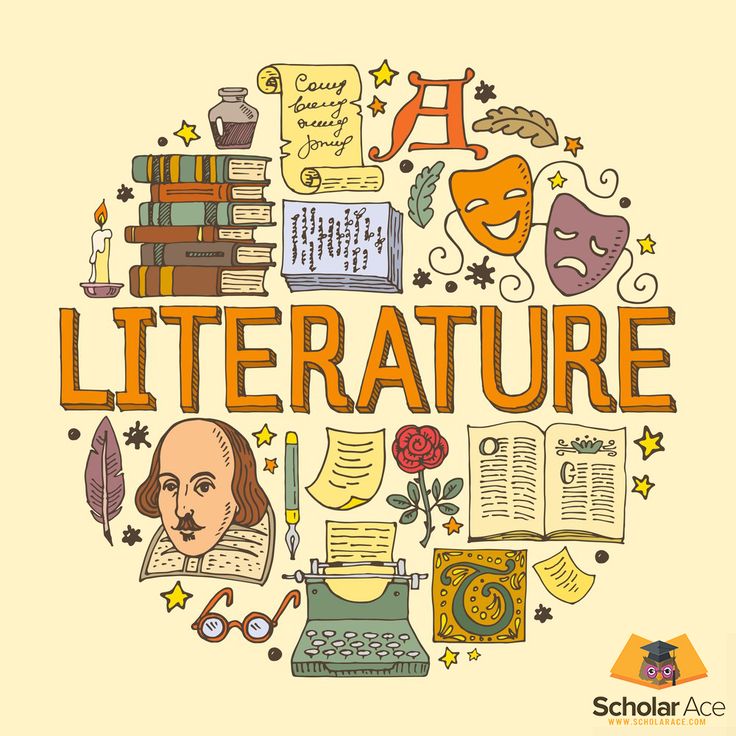
Literature is a powerful form of art that uses words to express thoughts, emotions, and ideas. It includes various forms such as poetry, stories, novels, and plays. Since ancient times, literature has played an important role in shaping cultures and preserving history.
Literature is often called the “mirror of society” because it reflects the realities, values, and traditions of a particular time. Through literary works, we can understand the lives, struggles, and beliefs of people from different cultures and periods. It helps us connect with human experiences beyond our own.
One of the greatest benefits of literature is that it improves imagination and creativity. When we read, we enter different worlds, meet new characters, and experience situations that broaden our thinking. It also enhances language skills, vocabulary, and critical thinking.
Famous writers like William Shakespeare, Rabindranath Tagore, and Jane Austen have contributed greatly to literature, leaving behind timeless works that continue to inspire generations.
Literature also teaches important life lessons. It helps us understand emotions, develop empathy, and learn values such as courage, honesty, and compassion. In a world full of rapid changes, literature remains a source of wisdom and reflection.
In conclusion, literature is more than just written words; it is a reflection of life itself. It connects people across time and space, making it an essential part of human culture.