
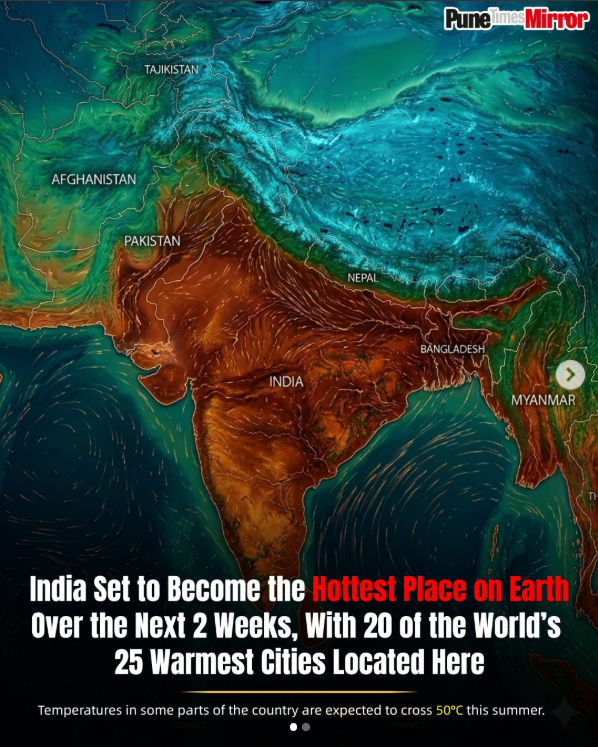
As of late April 2026, India is experiencing a severe early-season heatwave, with temperatures crossing 45°C in several regions. The India Meteorological Department (IMD) has issued alerts for north, central, and parts of eastern India, warning that these conditions may persist or intensify through May and June. [1, 2, 3, 4, 5]
🌡️ Current Heat Status (April 2026)
- Peak Temperatures: Cities like Akola (Maharashtra) and Varanasi (Uttar Pradesh) have already crossed the 45°C mark.
- National Capital: Delhi-NCR recorded its hottest day of the year on April 25, reaching 42.8°C, which is over 5°C above normal.
- Global Records: India currently dominates global heat charts, with roughly 20 of the world's 25 hottest cities located within the country. [6, 7, 8, 9, 10]
🗺️ Most Affected Regions
The heatwave is widespread, but the following areas are under the highest stress: [11]
- North & Northwest: Punjab, Haryana, Delhi, and Rajasthan.
- Central India: Madhya Pradesh, Chhattisgarh, and the Vidarbha region of Maharashtra.
- East & South: Odisha, Jharkhand, Gangetic West Bengal, and isolated pockets of Andhra Pradesh and Telangana. [4, 12, 13, 14]
📉 Forecast & Causes
The IMD expects the current heatwave to continue for at least the next 3–7 days in central and northwest India before potentially abating slightly due to predicted rain in some areas after April 26. [11, 15]
- Key Drivers: Clear skies, a lack of western disturbances, and dry winds have created a "heat dome" effect.
- Seasonal Outlook: The period from April to June 2026 is projected to see a higher-than-normal number of heatwave days across most of the country.
- Climate Factors: Meteorologists are monitoring a potential El Niño development by July, which could further impact the monsoon and prolong heat stress. [11, 16, 17, 18]
🛡️ Public Health & Action Plans
Authorities have activated Heat Wave Action Plans (HAPs) to mitigate risks: [19, 20]
- Medical Preparedness: 30+ hospitals in Delhi have established dedicated Cool Rooms for heatstroke emergencies.
- Work & School: Adjustments to outdoor work timings and the introduction of "Water Bell" systems in schools to ensure hydration.
- Energy Demand: Peak power demand is expected to reach record levels of 260–280 GW as air conditioning usage spikes. [21, 22]
💡 Safety Recommendations
- Hydrate: Drink 3–4 liters of water daily; include ORS, coconut water, or buttermilk.
- Avoid Peak Sun: Stay indoors between 12:00 PM and 4:00 PM.
- Dress: Wear light-colored, loose-fitting cotton clothing.
- Watch for Signs: Dizziness, dry skin (lack of sweating), and high body temperature are signs of heatstroke. Seek medical help immediately if these occur. [11, 22, 23]
[Rich media excluded from paste]
Are you looking for information on specific state-wise advisories, or would you like to know more about the impact on agriculture and food prices this season?
[20] https://sansad.in