
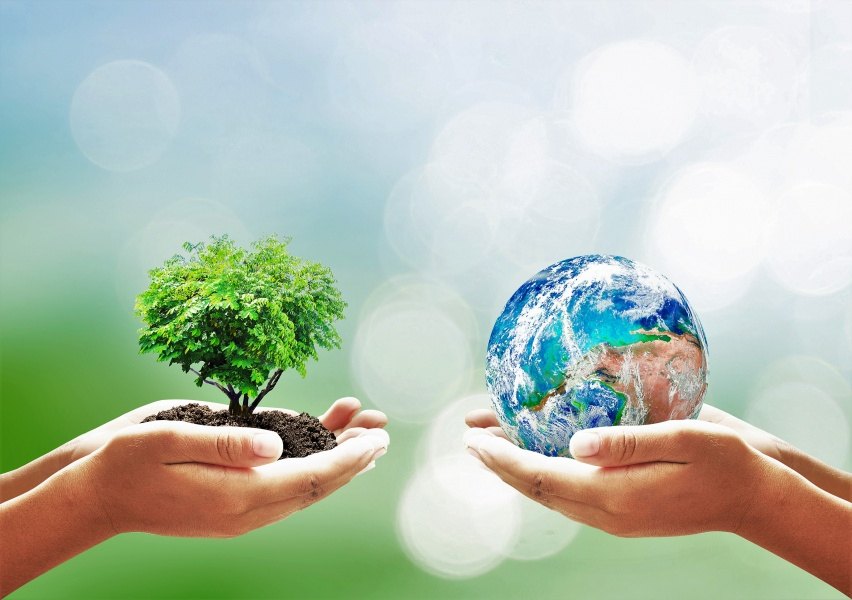
Sustainability means meeting our present needs without harming the ability of future generations to meet theirs. The idea became widely recognized after the United Nations popularized it through the Sustainable Development Goals. At its core, sustainability is about balance—between people, the planet, and economic progress.
The environmental side of sustainability focuses on protecting natural resources. Clean air, fresh water, fertile soil, and biodiversity are essential for life. Activities like deforestation, pollution, and excessive use of fossil fuels have led to problems such as Climate Change. Sustainable practices like using renewable energy (solar and wind), conserving water, and reducing waste can help restore this balance.
Social sustainability emphasizes equality, well-being, and quality of life for all people. It means access to education, healthcare, and fair opportunities. A sustainable society respects human rights and promotes inclusiveness, ensuring that no one is left behind.
Economic sustainability involves growth that does not harm the environment or society. Businesses can adopt eco-friendly production methods, reduce waste, and ensure fair wages. When companies act responsibly, they not only protect the planet but also build long-term success.
Individuals also play a key role in sustainability. Simple actions like saving electricity, avoiding single-use plastics, recycling, and planting trees can make a big difference. Choosing public transport or walking instead of using private vehicles also helps reduce pollution.
In conclusion, sustainability is not just a concept but a responsibility. By working together—governments, businesses, and individuals—we can create a world that is healthy, fair, and prosperous for generations to come.