
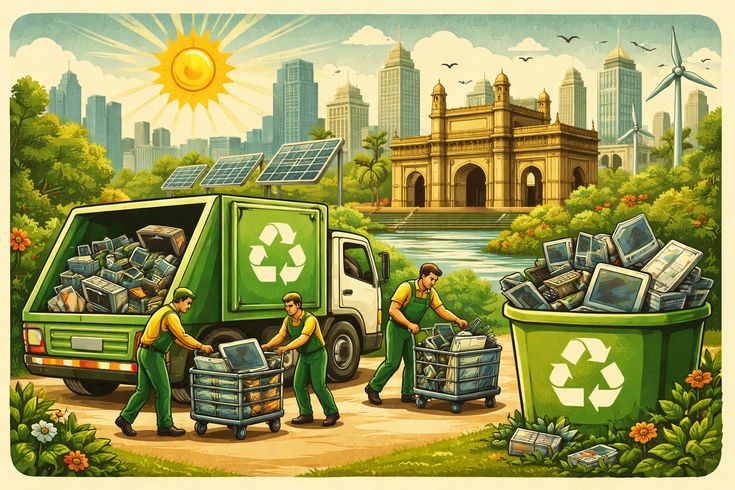
Electronic waste, commonly known as e-waste, refers to discarded electronic devices such as mobile phones, computers, televisions, and batteries. With the rapid growth of technology, people frequently upgrade their gadgets, leading to a massive increase in e-waste worldwide. While technology makes our lives easier, improper disposal of e-waste has become a serious environmental and health concern.
One of the biggest problems with e-waste is that it contains hazardous materials like lead, mercury, and cadmium. When these substances are not disposed of properly, they can leak into the soil and water, causing pollution and harming both humans and wildlife. For example, dumping old electronics in landfills or burning them releases toxic chemicals into the environment, leading to long-term damage.
Proper e-waste disposal is essential to reduce these harmful effects. Recycling is one of the most effective solutions. Many components of electronic devices, such as metals and plastics, can be reused and converted into new products. Governments and organizations have also started setting up e-waste collection centers where people can safely drop off their old devices.
Another important step is raising awareness among people. Many individuals are unaware of the dangers of improper e-waste disposal and often throw electronics away with regular garbage. Schools, communities, and social media can play a key role in educating people about responsible disposal practices.
In conclusion, e-waste disposal is a growing issue that needs immediate attention. By recycling, spreading awareness, and adopting responsible habits, we can reduce environmental damage and create a cleaner, healthier future. Technology should improve our lives, not harm the planet we live on.