
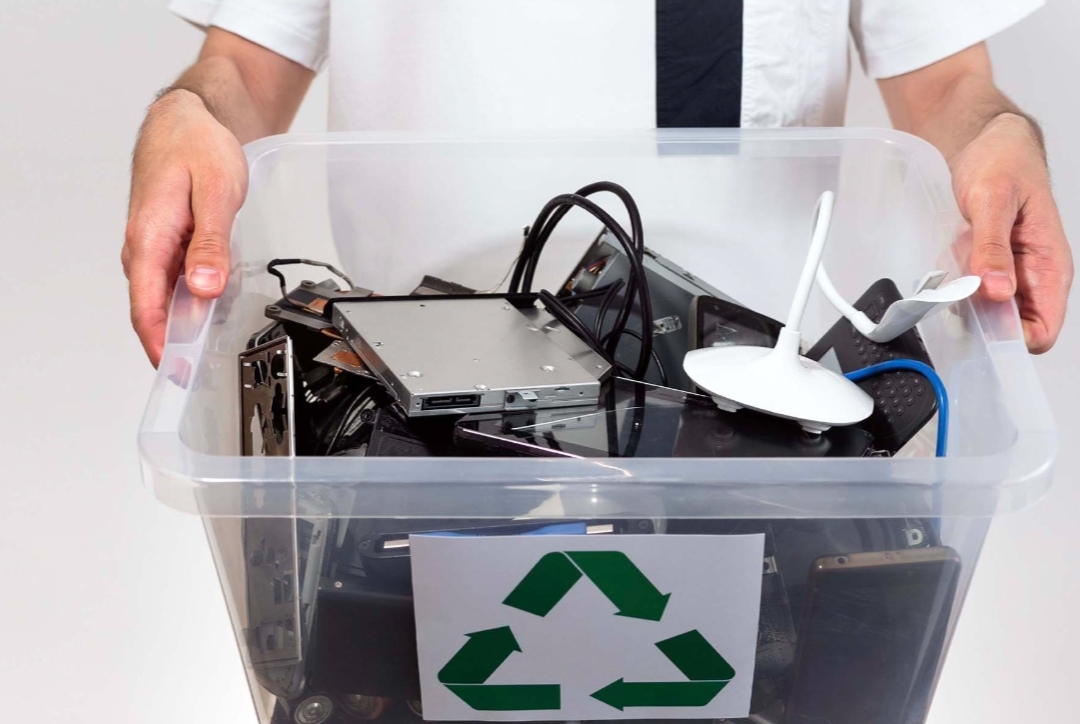
In today’s digital age, electronic devices like smartphones, laptops, and TVs have become an integral part of our lives. But as technology advances rapidly, old devices are discarded at an alarming rate, creating a serious environmental challenge: electronic waste, or e-waste.
What is E-Waste?
E-waste refers to discarded electronic and electrical devices that are no longer useful or functional. This includes old computers, mobile phones, batteries, cables, and household appliances. Improper disposal of e-waste can release harmful chemicals such as lead, mercury, and cadmium into the environment, polluting soil, water, and air.
The Growing Problem
Globally, millions of tons of e-waste are generated every year, and India is among the top contributors. Rapid urbanization, shorter device lifespans, and consumer demand for the latest technology are driving this surge. Unfortunately, much of e-waste ends up in landfills or is handled by informal recycling sectors, which can harm human health and ecosystems.
Why E-Waste Management is Important
Proper e-waste management helps:
Protect the Environment: Prevents toxic chemicals from contaminating land and water.
Recover Valuable Materials: Metals like gold, silver, and copper can be recycled.
Promote Health: Reduces exposure to hazardous substances for workers and communities.
Support Sustainability: Encourages responsible production and consumption of electronics.
How to Manage and Reduce E-Waste
Recycle Properly: Use certified e-waste recycling centers for old devices.
Donate or Reuse: Give working electronics to schools, NGOs, or others in need.
Buy Responsibly: Choose durable devices and avoid frequent upgrades.
Educate Others: Spread awareness about the dangers of e-waste and safe disposal methods.
Support Policies: Advocate for government regulations that manage e-waste effectively.
Conclusion
E-waste is a growing threat, but it is manageable if we take collective responsibility. Each device we recycle, reuse, or dispose of responsibly reduces environmental harm and conserves precious resources. By acting today, we can ensure a cleaner, safer, and more sustainable world for tomorrow.