
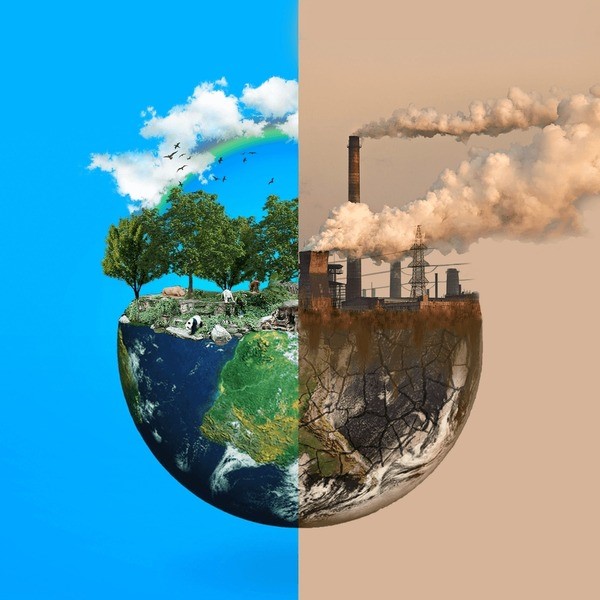
Air pollution is one of the most serious environmental problems facing the world today. It occurs when harmful substances such as smoke, dust, gases, and chemicals mix with the air and make it unsafe for living beings. Clean air is essential for life, but increasing human activities are polluting the air at an alarming rate.
The major causes of air pollution include emissions from vehicles, smoke from factories, burning of fossil fuels, and the open burning of garbage and crop residue. Construction activities and the excessive use of firecrackers also release harmful particles into the air. These pollutants include carbon monoxide, sulfur dioxide, nitrogen oxides, and fine particulate matter, which severely degrade air quality.
Air pollution has harmful effects on human health and the environment. Breathing polluted air can cause respiratory diseases such as asthma, bronchitis, and lung infections. Long-term exposure may even lead to heart problems and cancer. Plants and animals are also affected, as polluted air damages crops, forests, and aquatic ecosystems. Air pollution is also a major cause of global warming and climate change.
Controlling air pollution is the responsibility of every citizen. Using public transport, car-pooling, and eco-friendly vehicles can reduce emissions. Industries should adopt cleaner technologies, and people should avoid burning waste. Planting more trees, conserving energy, and spreading awareness about the harmful effects of air pollution can help create a healthier environment.
In conclusion, air pollution is a man-made problem that requires immediate action. By adopting sustainable habits and working together, we can reduce air pollution and ensure clean, fresh air for future generations.