Don't do pollution
Posted 2026-01-24 10:08:03
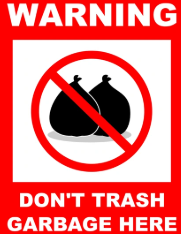
-
Pollution is a severe,7-million-death-a-year health crisis requiring immediate individual and systemic action, according to the
UNEP - UN Environment Programme. Combatting this crisis means reducing waste, choosing public transport, using energy efficiently, and advocating for cleaner practices to prevent respiratory, cardiac, and environmental damage. Every small, conscious choice helps protect the atmosphere, water, and soil from further toxic accumulation.
Here is a guide on why and how to stop polluting:
The Urgent Need to Stop
- Health Crisis: Air pollution causes 7 million premature deaths annually, with tiny pollutants (

PM2.5cap P cap M 2.5
𝑃𝑀2.5
- Environmental Damage: Plastic pollution is destroying oceans, with ~32% of plastic packaging leaking into ecosystems annually, according to the World Economic Forum.
- Climate Change: Greenhouse gases contribute directly to global warming.
Don't Do Pollution: Actionable "Don'ts"
- Don't Waste Resources: Stop leaving food uneaten, turning up heaters unnecessarily, or leaving lights/fans on, suggests the :: State Pollution Control Board, Odisha.
- Don't Use Single-Use Plastics: Swap plastic bags for paper/reusable bags.
- Don't Burn Waste: Avoid burning dry leaves, garbage, or plastics, which releases toxic fumes.
- Don't Waste Water: Avoid using hoses to clean pavements or washing vehicles daily, advises IMU-KC.
- Don't Idle Vehicles: Switch off engines at traffic stops to reduce unnecessary emissions, notes the IMU-KC.
Do Your Part: Positive Actions
- Plant Trees: Green spaces help absorb pollutants.
- Use Public Transit/EVs: Reduce reliance on private, fossil-fuel-powered vehicles, say Faye D'Souza and the Times of India.
- Reduce, Reuse, Repair: Fix broken items instead of discarding them, suggests the :: State Pollution Control Board, Odisha.
- Support Clean Energy: Advocate for renewable energy sources.
By changing daily habits, individuals can contribute to a significant reduction in toxic air and water pollution, protecting public health, notes the
The New York Times.
Nature
In the hush of dawn, where whispers blend,The sky blushes softly, day begins...
Nursing is a profession
Nursing is a noble profession. it deals with the care of sick and ailing patients. nurses play a...
By
Daksh 2026-01-05 13:43:31 0 192 ORGANIC FARMING
This type of farming uses only natural products to help plants or animals grow and be healthy. It...
×
Your daily access limit has been reached. Please try again tomorrow.