
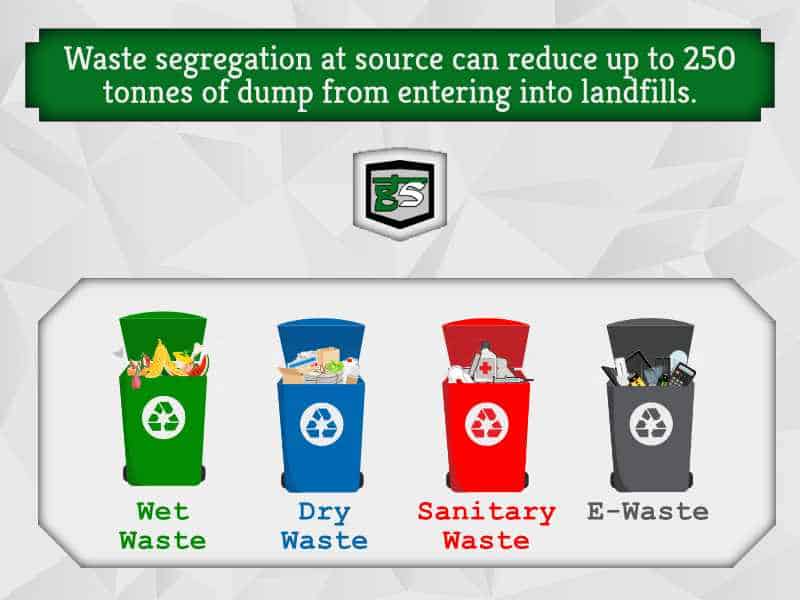
Waste segregation means separating waste into different categories at the place where it is generated. It is one of the simplest yet most effective ways to manage waste properly. With the rapid increase in population and consumption, the amount of waste produced every day is rising. Proper waste segregation helps reduce pollution, saves resources, and protects our environment.
Waste can be broadly divided into three main types: wet waste, dry waste, and hazardous waste. Wet waste includes kitchen waste such as vegetable peels, leftover food, and fruit skins. This type of waste is biodegradable and can be converted into compost or manure. Dry waste includes materials like paper, plastic, glass, metal, and cardboard. These items can be recycled and reused, reducing the need for raw materials. Hazardous waste includes batteries, chemicals, medical waste, and electronic waste, which can be harmful if not disposed of carefully.
Segregating waste at home, in schools, and in public places makes waste management easier and more efficient. When waste is mixed, recycling becomes difficult and harmful substances may pollute soil and water. Proper segregation ensures that recyclable materials reach recycling units and organic waste can be composted safely.
Waste segregation also plays an important role in protecting human health. Improper disposal of waste can lead to the spread of diseases, attract pests, and cause air and water pollution. By segregating waste correctly, we help keep our surroundings clean and reduce health risks.
Each individual has a responsibility to practice waste segregation. Using separate dustbins for different types of waste, following the color-coded bin system, and spreading awareness among others can bring a positive change. Small actions taken by many people can lead to a big impact.
In conclusion, waste segregation is not just a duty but a necessity. By adopting this simple habit in our daily lives, we can contribute to a cleaner environment, conserve natural resources, and ensure a healthier future for the coming generations.