
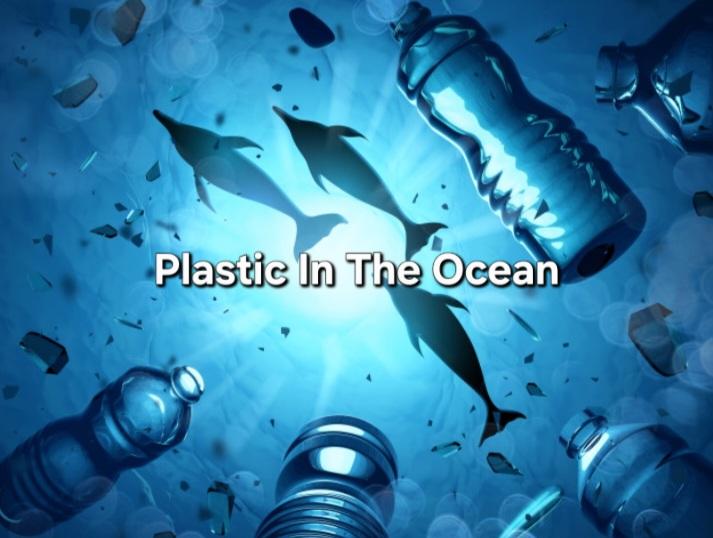
Plastic in the ocean is one of the biggest environmental problems facing the world today. Oceans cover more than seventy percent of the Earth, but they are slowly becoming dumping grounds for plastic waste. Every year, millions of tonnes of plastic enter the oceans, harming marine life and disturbing the natural balance of the ecosystem.
Most of the plastic in the ocean comes from human activities on land. Items such as plastic bags, bottles, food wrappers, straws, and packaging are often thrown carelessly. Rainwater carries this waste into drains, rivers, and finally into the sea. Fishing boats and ships also add to the problem by dumping plastic nets and waste into the ocean.
Plastic is extremely harmful to marine animals. Fish, turtles, seabirds, and whales often mistake plastic for food. When they eat it, plastic can block their stomachs, cause serious injuries, or even lead to death. Many animals also get trapped in plastic fishing nets, which makes it hard for them to swim or breathe.
Another dangerous effect of plastic pollution is the formation of microplastics. Large plastic items break into tiny pieces due to sunlight and waves. These microplastics enter the food chain when small fish swallow them. Eventually, they reach humans through seafood, which can be harmful to health.
Plastic pollution also affects the beauty of oceans and beaches. Polluted seas harm tourism and fishing industries, causing economic losses to many coastal communities.
To reduce plastic in the ocean, we must take action. We should reduce the use of single-use plastics, reuse items whenever possible, and recycle plastic waste properly. Governments should enforce strict laws against plastic dumping, and people should spread awareness about protecting the oceans.
In conclusion, plastic in the ocean is a serious threat to marine life, the environment, and human health. By changing our habits and working together, we can keep our oceans clean and safe for future generations.