
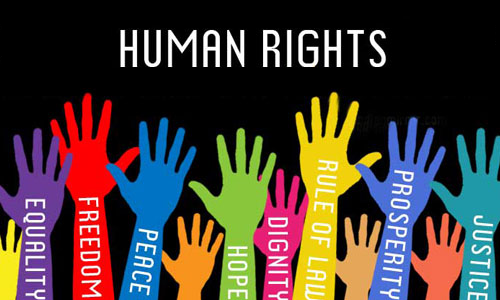
Human rights form the foundation of dignity, equality, and justice for everyone worldwide. They create opportunities by ensuring access to education, fair work, and protection from discrimination. This blog explores these ideas simply for school students.
What Are Human Rights?
Human rights are basic freedoms and protections that belong to all people simply because they are human, regardless of background. The Universal Declaration of Human Rights (UDHR), adopted in 1948, lists 30 key articles, starting with equality and dignity for all. Core rights include life, liberty, no slavery, no torture, and equality before the law.
Key Rights from UDHR
-
Right to life, liberty, and security (Article 3).
-
Freedom from slavery and torture (Articles 4-5).
-
Right to education, work with fair pay, and social security (Articles 22-26).
These rights promote fairness and prevent abuse.
Opportunities Created by Rights
Human rights open doors to education, jobs, and growth. Article 26 guarantees free primary education, helping break poverty cycles and build skills. Rights to work and equal pay (Article 23) ensure fair employment without discrimination. In India, human rights knowledge leads to careers in NGOs, UN programs, law, and education, with hundreds of jobs listed in areas like Gurugram.
Rights in India Today
India supports human rights through its constitution and National Human Rights Commission, but challenges like custody deaths and minority protections persist. Efforts continue via education and activism, creating local opportunities in social work and policy. Youth can engage through school programs and volunteering.
Why They Matter for Us
Studying human rights empowers students to advocate and seize opportunities like leadership in equality projects. Everyone benefits from societies where rights ensure fair chances for success. Schools can integrate this to foster informed citizens
WATCH THIS VIDEO TO FIND OUT MORE