
Health benefits of apples vs oranges:
Which fruit wins the best superfood contest?
Maintaining a strong immune system has become an important goal for many people, as our bodies constantly face challenges from infections, stress, and environmental factors. The foods we eat play a crucial role in keeping our immunity strong, and fruits are among the easiest ways to get vital nutrients. Apples and oranges are two of the most commonly consumed fruits worldwide, yet they work differently to support the immune system. Oranges are celebrated for their high vitamin C and citrus flavonoids, which help fight oxidative stress and inflammation. Apples, by contrast, offer polyphenols and fibre, which support gut health and influence immune function. Understanding these differences can help you make informed choices or enjoy both fruits for complementary benefits.
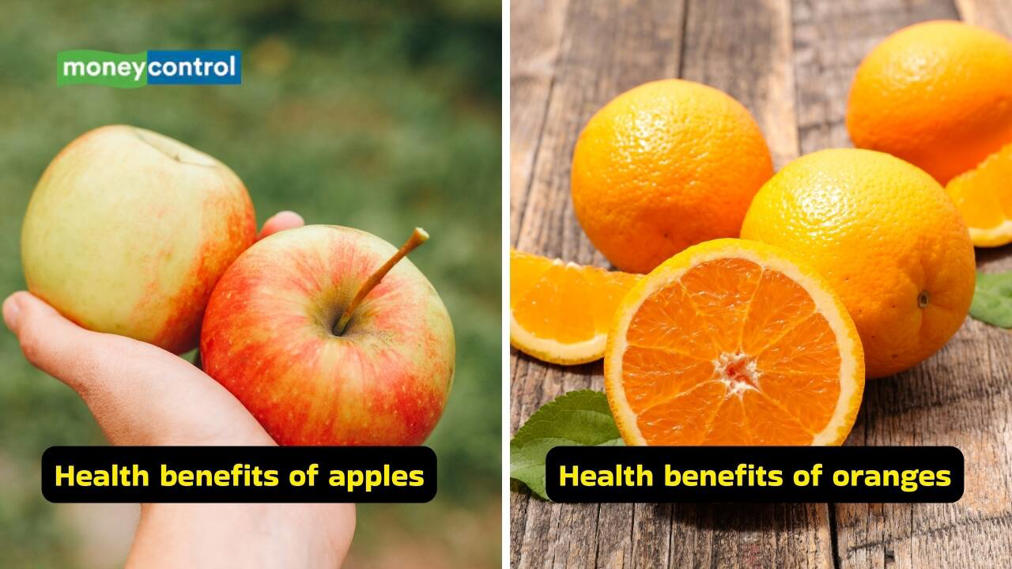
HAVE U EVER THOUGHT THAT THE APPLE AND ORANGE WHICH IS COMMON IN EVERY SEASON , WHO IS THE BEST APPLE OR ORANGE??
so hears the answer of your question! Neither apples nor oranges "win" as the ultimate superfood; they offer distinct, complementary benefits, with oranges clearly superior for immediate immune boosts (Vitamin C, folate) and apples excelling in gut health and long-term immunity (fiber, polyphenols like quercetin). Experts agree eating both provides a more balanced nutrient profile, combining oranges' quick-acting support with apples' steady fiber and antioxidant power for overall health and immunity.
- Vitamin C: Packed with Vitamin C, crucial for white blood cell function and reducing inflammation.
- Folate & Potassium: Good sources, supporting heart health and cell function.
- Flavonoids: Citrus flavonoids offer anti-inflammatory benefits.
- Fiber (Pectin): Soluble fiber feeds good gut bacteria, which is vital for a strong immune system.
- Polyphenols: Antioxidants like quercetin reduce inflammation and support brain health.
- Skin Benefits: Eating the peel provides concentrated antioxidants and fiber.
- For Quick Immunity: Choose an orange for immediate Vitamin C.
- For Long-Term Health: Choose an apple for fiber and gut support.
- Best Strategy: Incorporate both into your diet for complementary nutrients that boost immunity, digestion, and overall vitality.
Comparing fruits is common, but heart health makes apples and oranges worth closer study. Once judged by taste, research now examines nutrients. Science shows both support the heart differently, helping people choose wisely instead of assuming all fruits are equal for long-term health.
Oranges have been known for their exceptional vitamin C content, supplying a significant portion, often close to the entire recommended daily intake, in a single fruit. Vitamin C plays a key role in immune function, collagen synthesis and antioxidant protection, guarding cells from oxidative stress.
Meanwhile, apples are richer in dietary fibre and polyphenols, plant compounds linked with cardiometabolic health and systemic inflammation reduction. These differences show why apples and oranges exert distinct physiological effects.
Also read | Diet tips: Eat these 6 high-sugar fruits in moderation for effective weight loss
A review and meta-analysis published in an National Institutes if Health (NIH) found that regular apple consumption, or intake of apple polyphenols, was associated with reduced risk factors for cardiovascular disease, including higher HDL cholesterol and lower markers of inflammation, compared with control groups.
Other reviews note that fruit fibre, abundant in whole apples, is linked with lower risk of type 2 diabetes, cardiovascular disease and healthier weight management. Oranges, for their part, offer flavonoids such as hesperidin, which, a PubMed research suggests, may also support heart health by moderating blood lipid profiles, though large clinical trials are ongoing.
Health benefits of apples or oranges
Immune support and antioxidants
Oranges are renowned for rich vitamin C and flavonoids, strong antioxidants that help protect cells and support immune cell function. This nutrient combination is valuable during times of stress or infection.
Also read | Diet tips: 9 reasons why eating too much fruit may not be as healthy as you think
Fibre and gut health
Apples stand out for their generous fibre content, particularly when eaten with the skin. Fibre improves bowel regularity, feeds beneficial gut bacteria, and plays a role in weight management. A review of whole-fruit intake confirms broad health effects tied to fruit fibre, including reduced risk of chronic disease.
Heart-health contributors
Apple polyphenols have been shown in human studies to raise good cholesterol and reduce inflammatory markers linked with heart disease risk. Regular fruit intake in general is linked to lower long-term cardiovascular risk.
Hydration and micronutrients
Oranges also deliver potassium and hydration due to their high water content. They aid in fluid balance and muscle function. Apples, on the other hand, are rich in phytonutrients like quercetin, catechin and chlorogenic acid.
Balanced diet wins
Multiple studies suggest that including both fruits in your daily routine ensures that you benefit from complimentary nutrients. Apples and oranges are both health promoting fruits while one is rich in vitamin C and hydration, the other is loaded with fibre and polyphenols. Hence, both are good for your health.
Disclaimer: This article, including health and fitness advice, only provides generic information. Don’t treat it as a substitute for qualified medical opinion. Always consult a specialist for specific health diagnosis.
| Nutrient | Apple (with skin) | Orange | Winner |
|---|---|---|---|
| Vitamin C | ~8.4 mg (9% DV) | ~82.7 mg (92% DV) | Orange |
| Fiber | ~4.4 g | ~2.8 g | Apple |
| Calories | ~95 kcal | ~72 kcal | Orange (Lower) |
| Natural Sugar | ~19 g | ~12 g | Orange (Lower) |
| Potassium | ~117 mg | ~326 mg | Orange |
- Direct Immune Support: One orange can meet nearly 100% of your daily Vitamin C needs, which is essential for white blood cell production and faster recovery from seasonal illnesses.
- Rich in Micronutrients: They provide significantly more folate, potassium, and calcium than apples.
- Hydration: At approximately 86% water content, oranges are more hydrating and slightly lower in calories and carbs.
- Digestive Health: Apples contain more fiber, specifically pectin, a prebiotic that feeds beneficial gut bacteria and helps regulate bowel movements.
- Long-term Protection: They are packed with polyphenols (like quercetin) and antioxidants mainly found in the skin, which help reduce chronic inflammation and lower the risk of Type 2 diabetes and cardiovascular disease.
- Weight Management: The higher fiber content promotes satiety, helping you feel fuller for longer.
The Verdict: Which Should You Choose?- Choose Oranges for: Immediate immune system support, hydration, and a lower-calorie, lower-sugar option.
- Choose Apples for: Better gut health, sustained energy, heart protection, and a higher fiber count. The Best Superfood Strategy: Most nutrition experts recommend eating both. While an orange provides a quick hit of essential vitamins, an apple offers long-term resilience through fiber and phytonutrients. For the most benefits, eat the whole fruit—including the apple skin and the white pith (albedo) of the orange—rather than just the juice.These articles compare the distinct immune-boosting benefits of apples and oranges, highlighting vitamin C and flavonoids in oranges versus polyphenols and fiber in apple
Comparison table: Which protects your immunity more
By looking at the biology of both apples and oranges, it is clear that each fruit supports the immune system in different but complementary ways. Apples, through polyphenols, enhance gut health, gene expression, and barrier function, while oranges, with their vitamin C and flavonoids, directly reduce inflammation and support white blood cell activity. Including either fruit, or ideally both, can help maintain a strong and balanced immune system, making them valuable additions to a daily diet focused on long-term health.isclaimer: This article is for informational purposes only and should not be considered medical advice. Please consult a healthcare professional before making any changes to your diet, medication, or lifestyle.Aspect Apple Orange Key immune compounds Polyphenols (quercetin, catechin, chlorogenic acid) Vitamin C and flavonoids (hesperidin, naringin, narirutin) Immune cell modulation Alters gene expression in B cells, immunoglobulins, complement (human trial) Supports white blood cell function, reduces inflammatory signalling Gut microbiota effect Increases Lactobacillus and Butyricicoccus, improving gut-immune communication (human trial) Indirect; systemic antioxidant and anti-inflammatory effects Barrier function support Enhances tight-junction proteins and antioxidant enzymes (animal study) Maintains epithelial integrity by reducing oxidative stress and inflammation Anti-inflammatory regulation Indirect via oxidative stress reduction Direct inhibition of pro-inflammatory cytokines and NF‑κB signalling Oranges are particularly rich in vitamin C, a nutrient that helps white blood cells, including lymphocytes and phagocytes, function effectively. This vitamin is essential for fighting infections and repairing tissue, and it also acts as an antioxidant to protect cells from damage caused by free radicals. In addition to vitamin C, oranges contain flavonoids such as hesperidin, naringin and narirutin. These compounds reduce inflammation and oxidative stress, helping the immune system respond without overreacting.Apples and oranges offer distinct immune-boosting benefits.....Apples or oranges: which offers more immune nutrients