
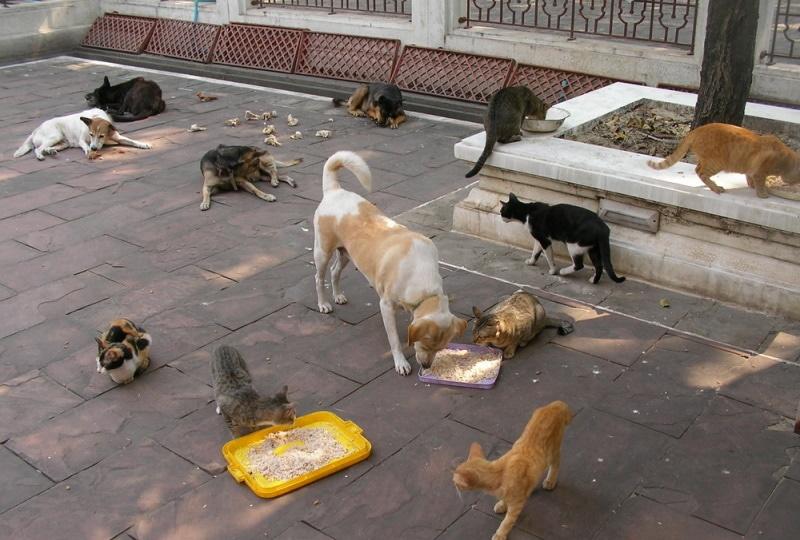
Stray cats and dogs are a common sight in many cities and villages. They live on the streets without proper shelter, food, or medical care, facing hardships that most people never experience. Their condition reflects not only their struggle for survival but also the responsibility of society toward animals.
Stray animals often suffer from hunger, injuries, and diseases. Extreme weather- scorching heat, heavy rain, or cold winters, makes their lives even more difficult. Many strays are abandoned pets who once depended on humans and are unable to adapt easily to life on the streets. Despite these challenges, they show remarkable resilience and loyalty.
The presence of stray cats and dogs also affects communities. When not vaccinated or cared for, they may fall ill, which can lead to health concerns. However, it is important to understand that cruelty or neglect is not the solution. Humane methods such as sterilisation, vaccination, and adoption help control the stray population and ensure public safety.
Individuals can play a vital role by showing kindness - providing food, water, or contacting animal welfare organisations when an animal is injured. Governments and local bodies must strengthen animal birth control programs and promote awareness about responsible pet ownership to prevent abandonment.
Stray cats and dogs are living beings that feel pain, fear, and affection just like pets in our homes. Treating them with compassion and care not only improves their lives but also makes our society more humane. By working together, we can create a safer and kinder environment for both humans and animals.