
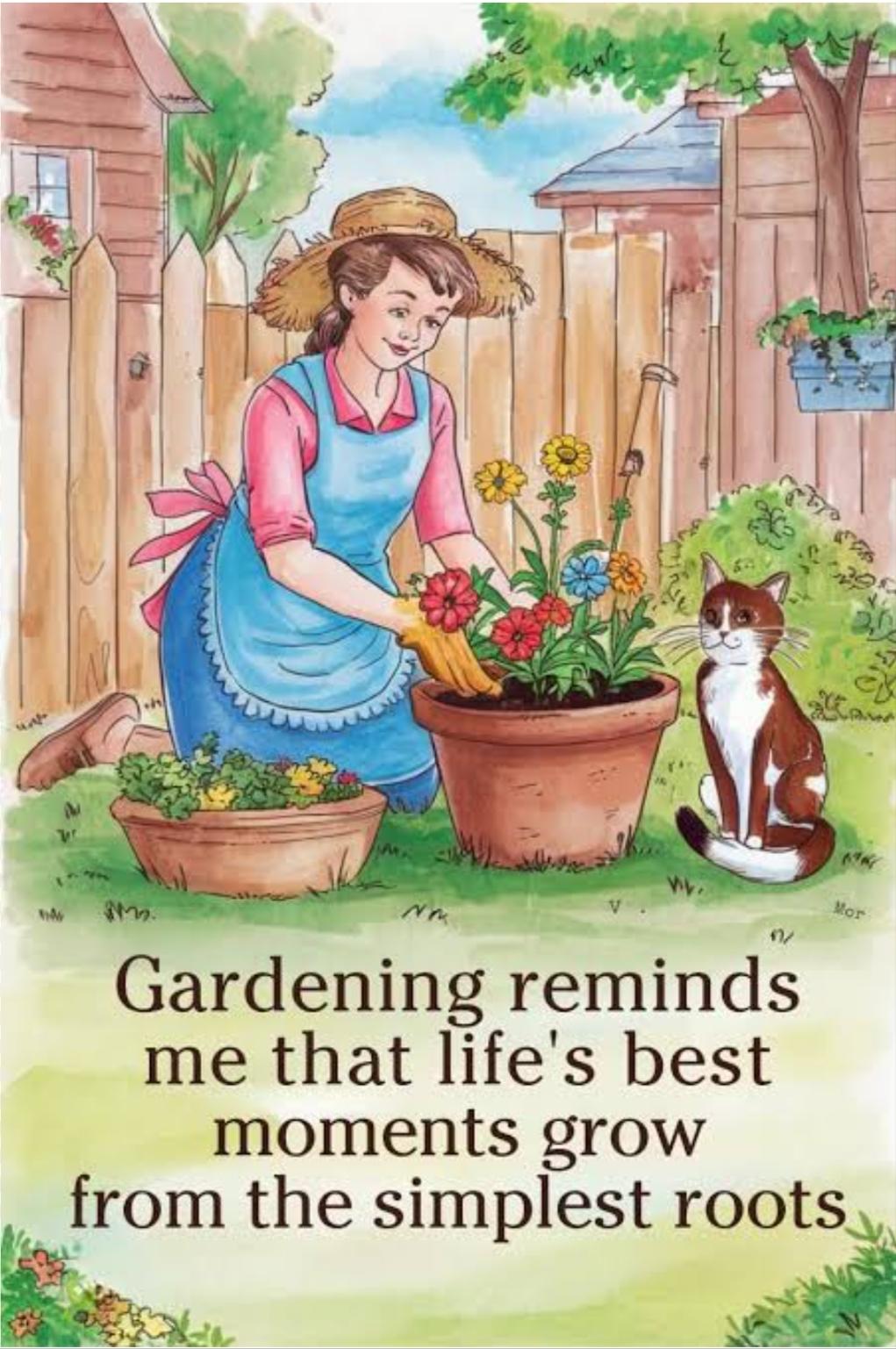
The Green Sanctuary: A Journey Through the Art and Soul of Gardening
Gardening is perhaps the only craft where the artist works in partnership with time, weather, and the mystery of life itself. It is a slow conversation between the soil and the soul. Whether you have a sprawling countryside estate or a few terracotta pots on a fire escape, the act of planting is an act of hope.
Chapter 1: The Call of the Earth
Before the first seed is sown, there is the dirt. To a gardener, soil isn't just "mud"—it is a living, breathing ecosystem. This chapter explores the foundational magic of pedology (soil science). Understanding the balance of nitrogen, phosphorus, and potassium is the "grammar" of gardening; once you speak the language of the earth, the plants will finally hear you.
Chapter 2: The Architecture of Winter (Planning)
The best gardens are grown in the mind long before they hit the ground. During the cold months, we dream in catalogs and sketches. This is the chapter of strategy: mapping out sun patterns, understanding hardiness zones, and imagining how a sapling today will cast a shadow ten years from now.
Chapter 3: The Miracle of the Seed
There is no greater magic trick in nature than a dry, tiny husk transforming into a towering sunflower or a gnarled tomato vine. Starting seeds is a lesson in patience and vulnerability. It requires the perfect calibration of moisture and warmth—a reminder that all great things begin in the dark.
Chapter 4: The Pollinator’s Waltz
A garden is never just about plants; it is a bustling city of insects and birds. This chapter celebrates our silent partners: the bees, butterflies, and hoverflies. By planting with biodiversity in mind, we turn our backyards into vital corridors for wildlife, ensuring that our local ecosystem remains vibrant and resilient.
Chapter 5: The Therapy of the Weeds
Weeding is often seen as a chore, but for the seasoned gardener, it is a form of meditation. There is a profound psychological release in pulling what doesn't belong to make room for what does. As we clear the encroaching clover and crabgrass, we often find we are clearing the "weeds" of our own cluttered thoughts.
Chapter 6: The Kitchen Garden (Potager)
There is a specific pride in eating a meal where the "commute" from farm to table was only twenty paces. From the spicy bite of fresh arugula to the sun-warmed sweetness of a strawberry, the kitchen garden connects us to the seasons. It teaches us that food is not a commodity, but a gift.
Chapter 7: The Beauty of the Perennial
Annuals offer a flash of brilliance, but perennials are the old friends of the garden. They return year after year, growing stronger and more established. This chapter explores the comfort of cycles—the reliability of the peony or the hosta—and what they teach us about longevity and "staying power" in our own lives.
Chapter 8: Water, Light, and Shadow
Gardening is the art of managing energy. We are essentially "sun-farmers," positioning leaves to catch the gold. But we must also master the shadow—the cool, damp corners where ferns and mosses thrive. Learning to balance the thirst of the garden with the gift of the rain is the ultimate dance of the seasons.
Chapter 9: The Garden of the Senses
A truly "big" garden isn't just a visual feast. It is the scent of crushed lavender, the rustle of ornamental grasses in the wind, the fuzzy texture of a lamb’s ear leaf, and the tart taste of a currant. This chapter explores how to design a space that engages all five senses, creating a fully immersive sanctuary.
Chapter 10: The Lesson of the Wilt (Failure)
Every gardener is a graveyard keeper. Plants will die; pests will invade; frost will come too early. This final chapter looks at the "beautiful failures" of the garden. We learn that a dead plant isn't a mistake, but a lesson in humility and a contribution to the compost pile—the beginning of the next cycle.
The Conclusion: The Eternal Return
To garden is to believe in tomorrow. It is one of the few activities left in our high-speed, digital world that cannot be optimized or rushed. You cannot "download" a harvest, and you cannot "skip the intro" of a blooming rose.
When we step into the garden, we step out of linear time and into circular time. We realize that we do not own the land; we are merely its stewards for a brief season. A beautiful garden is not defined by its lack of weeds or its expensive statues, but by the peace it provides to the person holding the trowel. In the end, we don't just grow plants—the plants grow us. They teach us that life is fragile, that beauty requires effort, and that there is a quiet, profound joy in simply keeping something alive.