
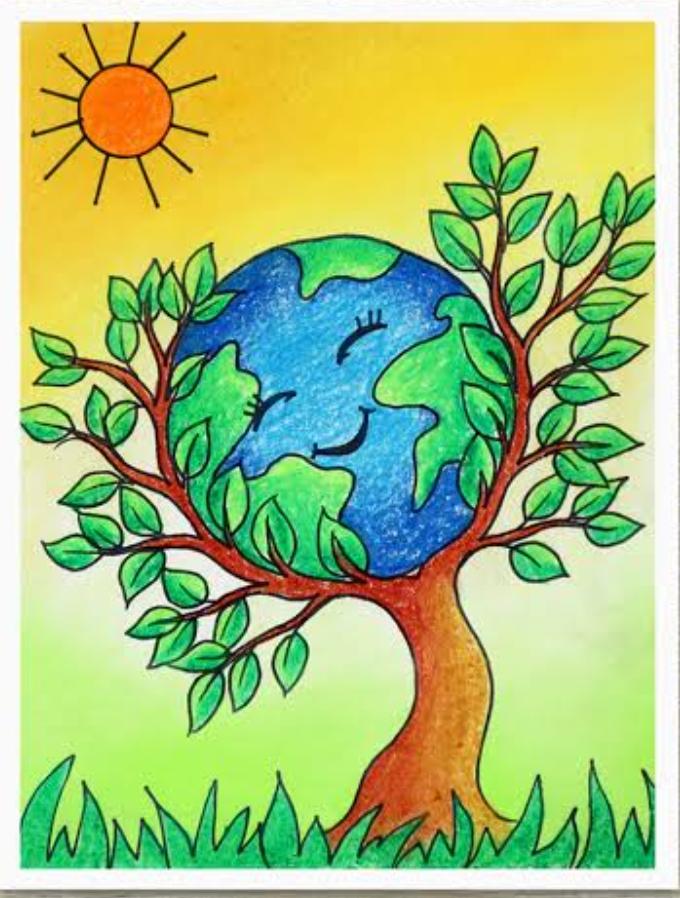
Save Trees: Protecting Life, Protecting the Future
Trees are one of the greatest gifts of nature to humankind. They are silent guardians of the planet, standing tall through centuries while supporting life in countless ways. From providing oxygen to sustaining biodiversity, from regulating climate to nurturing soil and water resources, trees play a vital role in maintaining ecological balance. The slogan “Save Trees” is not just an environmental message; it is a call to protect life on Earth and secure a healthy future for generations to come.
Importance of Trees in Our Lives
1. Source of Oxygen and Clean Air
Trees are often called the “lungs of the Earth.” Through the process of photosynthesis, trees absorb carbon dioxide and release oxygen, which is essential for the survival of all living beings. A single mature tree can produce enough oxygen to support several people. In addition, trees absorb harmful pollutants such as sulfur dioxide, nitrogen oxides, and particulate matter, thereby improving air quality and reducing respiratory diseases.
2. Climate Regulation and Global Warming Control
Trees play a crucial role in regulating the Earth’s climate. They act as carbon sinks by absorbing large amounts of carbon dioxide, one of the main greenhouse gases responsible for global warming. Forests help moderate temperature, maintain rainfall patterns, and reduce the intensity of heat waves. Without trees, climate change would accelerate, leading to extreme weather conditions such as floods, droughts, and cyclones.
3. Conservation of Biodiversity
Trees provide shelter, food, and breeding grounds for countless species of animals, birds, insects, and microorganisms. Forest ecosystems are among the most diverse habitats on Earth. When trees are cut down, entire ecosystems collapse, leading to the extinction of many species. Saving trees means protecting wildlife and preserving the delicate balance of nature.
➡️ The Delhi Crisis: Where the Battle for Life is Most Urgent
While the importance of trees resonates globally, for residents of the National Capital Region (NCR) of Delhi, the message "Save Trees" is a direct call for survival. Delhi consistently ranks among the most polluted cities in the world, transforming the crucial battle for clean air from an abstract concept into a desperate, seasonal reality.
A Confluence of Deadly Pollutants
Delhi’s air quality index (AQI) frequently spirals into the 'Severe' (401-500) and even 'Hazardous' (500+) categories, especially during the winter months. This toxic smog is a complex mix of local and regional factors, including:
Vehicular Emissions: The sheer volume of cars, trucks, and two-wheelers makes road traffic the largest year-round source of pollution.
Industrial and Power Plant Emissions: Industries and coal-based power plants in and around the NCR release major pollutants like sulfur dioxide and particulate matter.
Construction and Demolition Dust: Rapid urbanisation generates vast amounts of dust, which contributes significantly to PM10 and PM2.5 levels.
Seasonal Factors (Stubble Burning): During harvest season, the burning of agricultural residue in neighbouring states creates massive plumes of smoke that, combined with cold temperatures and low wind speed, trap pollutants over the city.
The Real Cost of Neglect
The consequences of this prolonged air crisis are immediate and catastrophic. High levels of PM2.5 (fine particulate matter) penetrate deep into the lungs and bloodstream, leading to a public health emergency.
Health Crisis: The pollution is directly linked to a sharp rise in asthma, Chronic Obstructive Pulmonary Disease (COPD), heart disease, strokes, and cognitive decline, particularly among the elderly and children.
Economic and Social Disruption: The crisis forces the implementation of emergency measures, such as the Graded Response Action Plan (GRAP), which halts construction, restricts vehicle movement, and sometimes requires schools to shift to online classes, disrupting daily life and economic activity.
Trees: The Critical Local Defense
In this local battle, the existing green cover—and the push for more urban forests—is a critical defense line.
Direct Filtration: Trees in Delhi’s parks, avenues, and urban forests act as natural filters, actively absorbing gaseous pollutants and trapping particulate matter on their leaves and bark.
Microclimate Creation: They help regulate local temperatures and humidity, which can assist in dispersing pollutants and reducing the ground-level fog that traps smog.
The Green Imperative: Every effort to 'Save Trees' in the NCR, from protecting the Ridge forest to planting new saplings in residential colonies, directly contributes to mitigating the air crisis. Saving a tree in Delhi is not just an environmental act; it is a life-saving action that protects the future health of its citizens.