
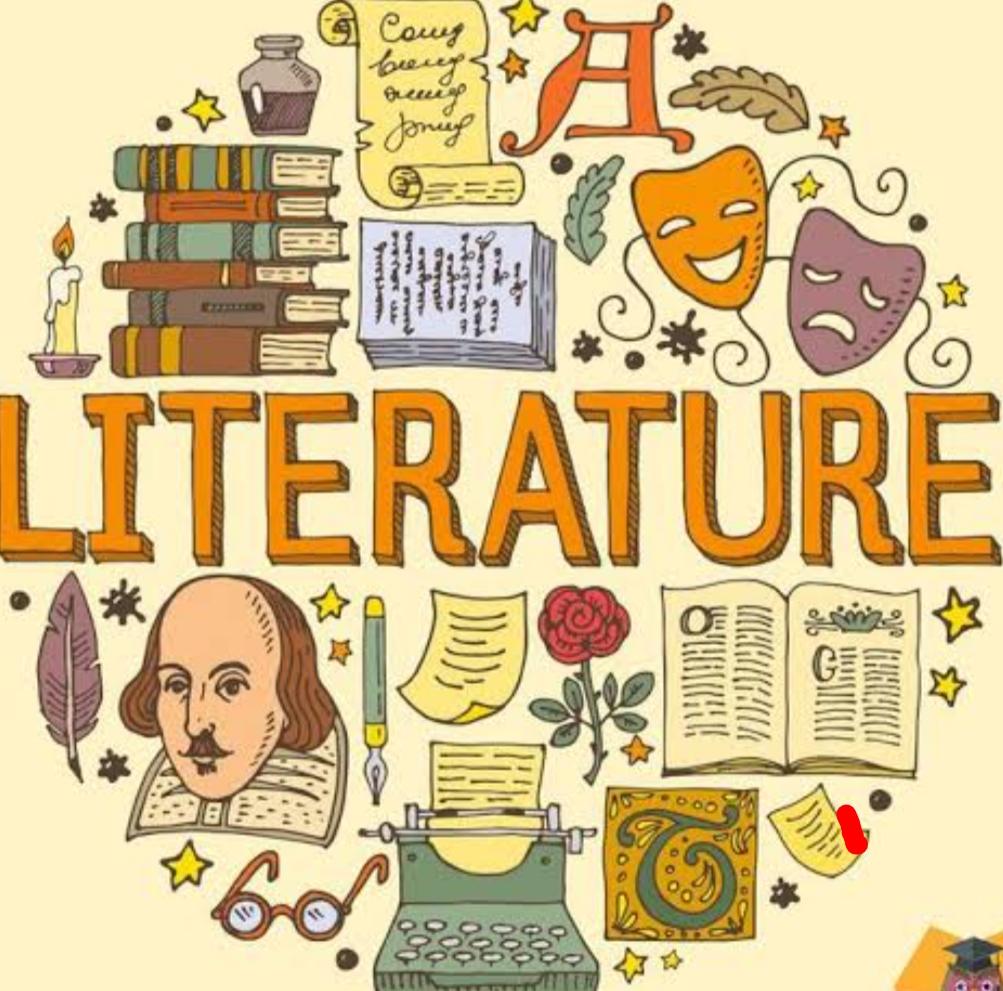
📚 A Grand Journey Through Literature
A 10-Chapter Blog Exploring the World of Words
Chapter 1: The Birth of Literature
Literature began as oral storytelling—songs, tales, myths, and legends passed down through generations. Before ink, before paper, before alphabets, humanity used stories to explain the world, express emotions, and preserve culture. These primitive narratives became the foundation for everything that followed.
Chapter 2: Ancient Texts and Timeless Wisdom
From the Vedas to The Iliad, The Epic of Gilgamesh, and The Ramayana, ancient literature captured divine mysteries, heroism, moral dilemmas, and spiritual philosophies. These works shaped civilizations, influenced rituals, and continue to inspire readers today.
Chapter 3: Classical Literature and the Rise of Philosophy
Greek tragedies, Roman epics, and philosophical dialogues changed the landscape of human thought. Writers like Plato, Sophocles, Virgil, and Aristotle introduced structured storytelling, drama, logic, and critical thinking—pillars that modern literature still relies on.
Chapter 4: Medieval Literature and the Language of Faith
The Middle Ages brought poetry, religious texts, epics, and mystical writings. The era gave us Beowulf, Dante’s Divine Comedy, and The Canterbury Tales. This was a time when literature reflected faith, chivalry, courage, and the complexities of the human soul.
Chapter 5: Renaissance – The Rebirth of Creative Freedom
The Renaissance revived arts, science, and humanism. Shakespeare’s plays, Milton’s epics, Cervantes’ satire, and countless poets flourished. Literature celebrated imagination, individuality, and artistic freedom like never before.
Chapter 6: Enlightenment – Literature Becomes a Tool for Reason
Philosophers and writers used literature to question authority, celebrate logic, and demand rights. This era favored essays, political writings, and scientific thought. Voltaire, Rousseau, and Swift shaped new ways of thinking through the power of the pen.
Chapter 7: Romanticism – Poetry of Emotion
Romantic literature worshipped nature, passion, dreams, and rebellion. Wordsworth, Keats, Shelley, Byron, and Tagore captured human emotions like a symphony—gentle, fierce, and eternal. This era made the heart the hero of literature.
Chapter 8: Realism and Modernism – The Mirror to Society
Realist writers portrayed life as it truly was—its struggles, flaws, and complexities. Later, modernist writers shattered traditional forms with experimentation. From Dostoevsky to Virginia Woolf, from Kafka to Premchand, literature dove deep into psychology and social reality.
Chapter 9: Contemporary Literature – Voices of Today
Today’s literature is diverse, global, and fearless. It addresses identity, technology, politics, trauma, love, and human rights. Writers from every corner of the world bring fresh stories that reflect the rapidly changing world we live in.
Chapter 10: The Digital Age – A New Chapter in the Story
With the internet, e-books, audiobooks, and online publishing, literature has become more accessible than ever. Writers no longer need publishers to share their voice; readers can explore millions of stories from a single device. Literature has entered its most democratic era.
✨ Beautiful Conclusion on literature
Literature is more than ink on pages—it is the heartbeat of humanity.
It carries our dreams, fears, victories, memories, and questions across centuries. Through literature, we travel to worlds unseen, meet people we’ve never known, and discover parts of ourselves we did not realize existed.
From ancient chants to digital storytelling, literature continues to evolve, yet its purpose remains unchanged:
to connect, to inspire, to heal, and to remind us that every human life is a story worth telling.
In the vast library of time, we are all both readers and writers—turning pages, learning lessons, and leaving behind our own chapters for the world to read.
Thank you
Written by Dipanshi