
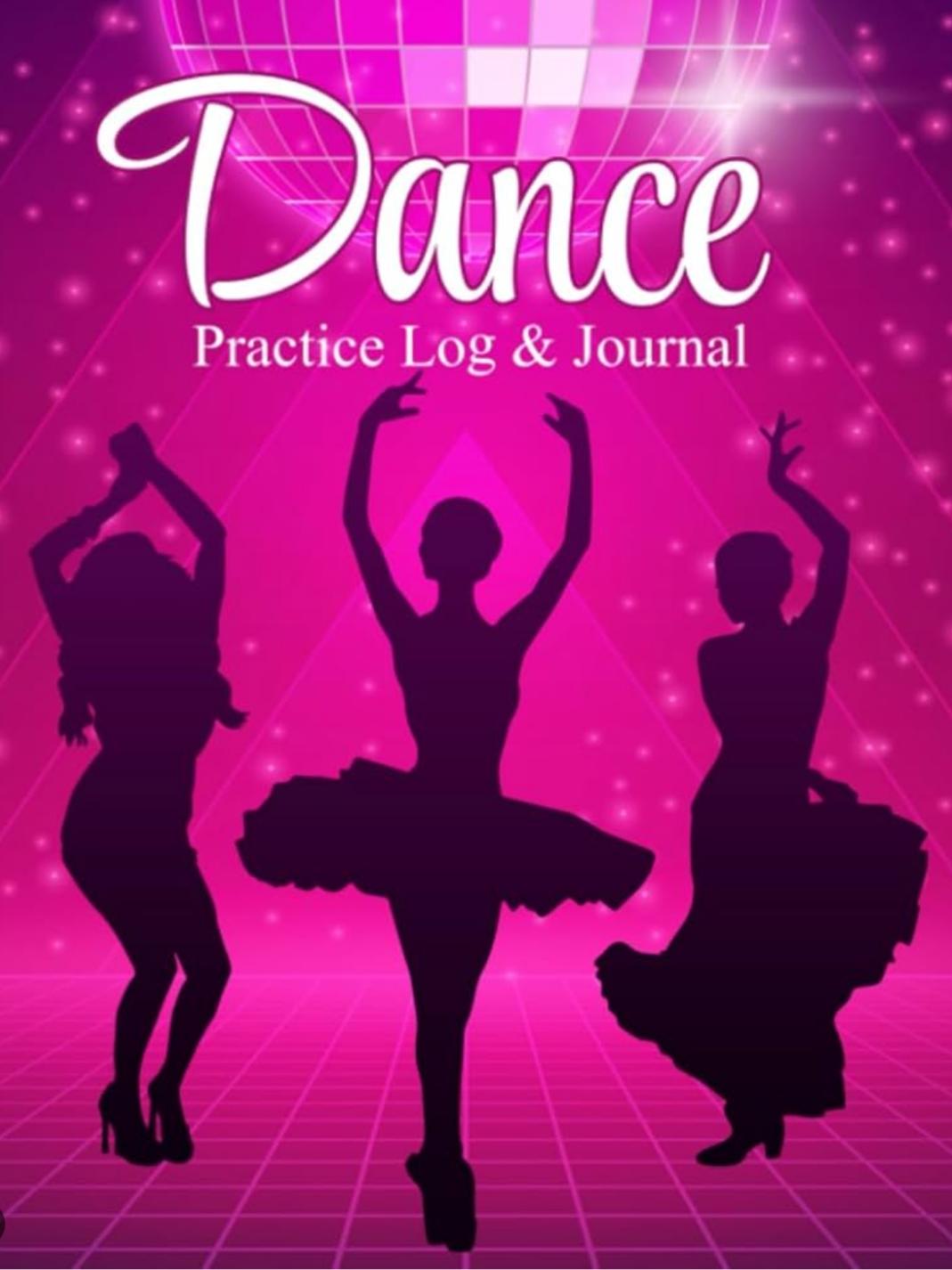
🌟 The Rhythm of Life: A 10-Chapter Journey Into the World of Dance The Rhythm of Life: A 10-Chapter Journey Into the World of Dance
Chapter 1: The Heartbeat of Humanity
Dance is older than language, older than written culture, older even than some of the earliest tools humans crafted. It began as a natural extension of emotion—joy, fear, celebration, grief. From tribal rituals to ancient ceremonies, dance has always acted as the heartbeat of humanity. It connects people not through words, but through movement. When people dance, the world stands still for a moment, and only rhythm remains.
Chapter 2: The Evolution of Dance Across Civilizations
From the elegant movements of Egyptian temple dancers to the expressive gestures of India’s classical forms, dance evolved as a mirror of civilization. Greek dramas used dance for storytelling. African tribes used it to honor ancestors. Native American tribes performed dances to nurture spiritual harmony. Every era shaped new movements, sounds, and meanings—making dance not just an art, but a historical record etched in motion.
Chapter 3: The Language of the Body
Unlike spoken languages, dance speaks without words. A simple gesture can communicate love, rebellion, sadness, pride, or worship. The body becomes the canvas, and movement becomes the ink. Dancers learn to translate emotions into motion, allowing audiences to feel not just see. In dance, silence becomes dramatic, pauses become powerful, and the body tells stories the tongue cannot.
Chapter 4: Classical Dance – The Roots of Expression
Classical dance styles like Bharatanatyam, Kathak, Ballet, Flamenco, and Odissi blend discipline with devotion. They require precision, strength, and years of training. Yet beneath the technique lies pure emotion—bhava, rasa, and rhythm. Classical forms are cultural treasures that preserve ancient stories, mythologies, and spiritual philosophies. They remind us that art can be eternal.
Chapter 5: Folk Dance – The Spirit of the People
Folk dance captures the soul of everyday life. Whether it is the vibrant Bhangra, graceful Garba, joyful Lavani, or Spain’s rhythmic Fandango, folk dances celebrate community. They reflect harvest seasons, weddings, festivals, victories, and love. Each region expresses its identity through its movements, costumes, and music—making folk dance the heartbeat of cultural celebration.
Chapter 6: Contemporary and Modern Dance – Breaking Boundaries
Contemporary dance thrives on freedom. Unlike classical styles, it doesn’t follow rigid rules. Instead, it explores new shapes, new energies, and new emotions. It allows dancers to express mental landscapes, social issues, and inner conflicts. Modern dance pioneers broke away from tradition to create a language that reflects the modern human experience—raw, experimental, and powerful.
Chapter 7: Street and Urban Dance – The Voice of Youth
Hip-hop, popping, locking, krumping, breaking—these styles emerged from streets and community cultures. They express rebellion, identity, and creativity. Street dance isn’t just movement; it’s attitude. It represents individuality and confidence. Today, these forms dominate global stages, music videos, battles, and competitions. They prove that dance evolves wherever young hearts beat with passion.
Chapter 8: Dance as Therapy – Healing Through Movement
Dance is more than performance—it is healing. Dance therapy helps people express emotions they cannot put into words. It improves mental well-being, relieves stress, builds confidence, and promotes mind-body harmony. Whether someone is suffering from trauma, loneliness, or anxiety, movement becomes medicine. Dance reminds us that healing can be graceful.
Chapter 9: The Science of Dance – Where Art Meets Body
Dance strengthens muscles, enhances flexibility, improves posture, and boosts cardiovascular health. It trains balance, coordination, and stamina. Scientists have also found that dancing increases serotonin, dopamine, and endorphins—hormones that make you happy. It even sharpens memory and boosts brain function. Behind its beauty lies incredible biology.
Chapter 10: Dance in the Digital Age – A Global Stage
Social media has unlocked a new era of dance. A dancer’s performance in one corner of the world can inspire millions instantly. Online tutorials, virtual competitions, and global collaborations have made dance more accessible than ever before. Creativity knows no borders now—dance has become a worldwide conversation.
✨ Conclusion: When the Body Dances, the Soul Speaks
Dance is more than movement—it's a celebration of life. It is joy in motion, emotion in rhythm, and identity in expression. Whether performed on a grand stage or in a small room, dance unites people across cultures, ages, and languages. It teaches us balance, freedom, discipline, and passion.
In every twirl, every step, every beat, dance whispers a timeless truth:
When words fall silent, the body continues the story.
May your life always have the courage to move, the rhythm to rise, and the grace to keep dancing.
Thank you
Written by Dipanshi