
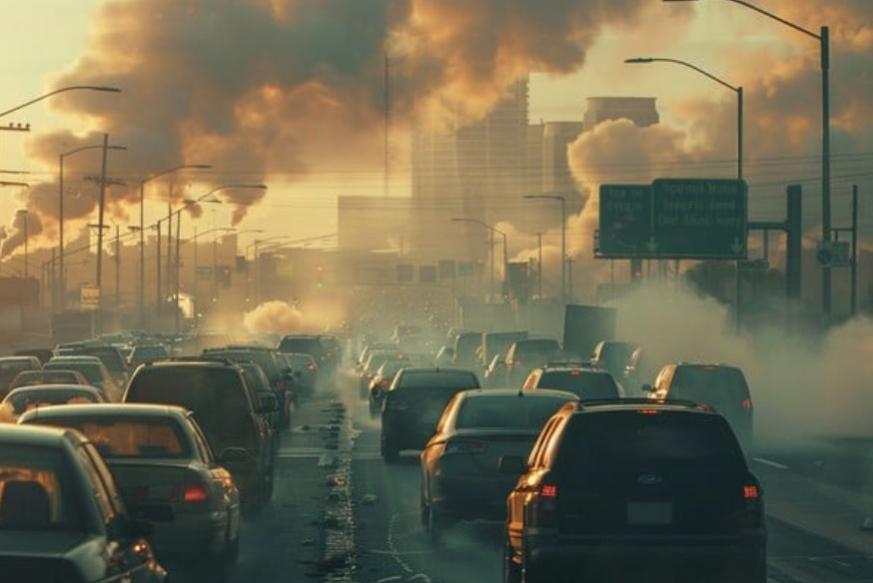
India’s cities are choking under a thick haze, but the problem isn’t a single villain—it’s a web of interconnected causes. Rapid urbanisation pushes millions into sprawling metros, swelling the demand for transport, energy, and construction. This fuels a surge in vehicle emissions, especially from diesel‑powered two‑wheelers and trucks that dominate the roadways.
Industrial activity adds another layer. Small‑scale factories and brick kilns, often located on city outskirts, release particulate matter and toxic gases without stringent enforcement of emission norms. Meanwhile, construction sites kick up dust, while open‑burning of waste and agricultural residue in surrounding rural areas drifts into urban air basins.
A less obvious factor is the reliance on coal‑based power plants that supply electricity to meet sky‑rocketing demand, releasing sulphur dioxide and nitrogen oxides. Finally, meteorological conditions—temperature inversions and low wind speeds—trap pollutants, turning everyday emissions into hazardous smog.
Understanding these causes is the first step toward cleaner air, paving the way for targeted policies, greener transport, and stricter industrial regulation.