
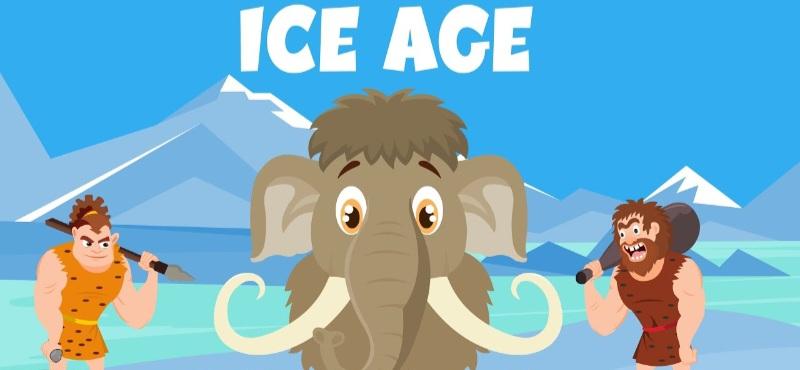
🥶 The Ice Age: Age is best described as a long, cold stretch in Earth's history where global temperatures drop significantly, allowing massive sheets of glacial ice to cover large parts of the continents. These aren't short-term winter chills; these periods last for millions of years.
What Actually Happens?
During an Ice Age, the planet is transformed:
The Big Freeze: Vast blankets of ice, sometimes miles thick, grow and spread from the North and South Poles, covering huge areas that are currently temperate, like much of North America, Europe, and Asia.
Locked-Up Water: Because so much of the Earth's water is frozen and stored in these enormous continental ice sheets, it's pulled out of the oceans. This causes global sea levels to drop dramatically—often by hundreds of feet. Land bridges, like the one that once connected Siberia and Alaska, become exposed.
Climate Swings: It's important to know that an Ice Age isn't constant cold. It’s a long-term cycle containing two main phases:
Glacial Periods: These are the intense, coldest phases when the ice is at its maximum extent. This is what most people picture when they hear "The Ice Age."
Interglacial Periods: These are the warmer periods, during which the ice sheets retreat back toward the poles, and temperate zones return. We are currently living in an interglacial period within the most recent Ice Age (the Quaternary Ice Age).
Are We Still In One?
Yes! Though it may feel warm, scientists classify the last 2.5 million years as an Ice Age because permanent ice sheets still exist on Earth (Greenland and Antarctica). The Ice Age most people refer to—the one featuring woolly mammoths—was just the last major Glacial Period, which finished around 11,700 years ago.
In short, an Ice Age is simply when the planet has large, long-lasting ice sheets and cycles between extremely cold phases and relatively warmer phases.