
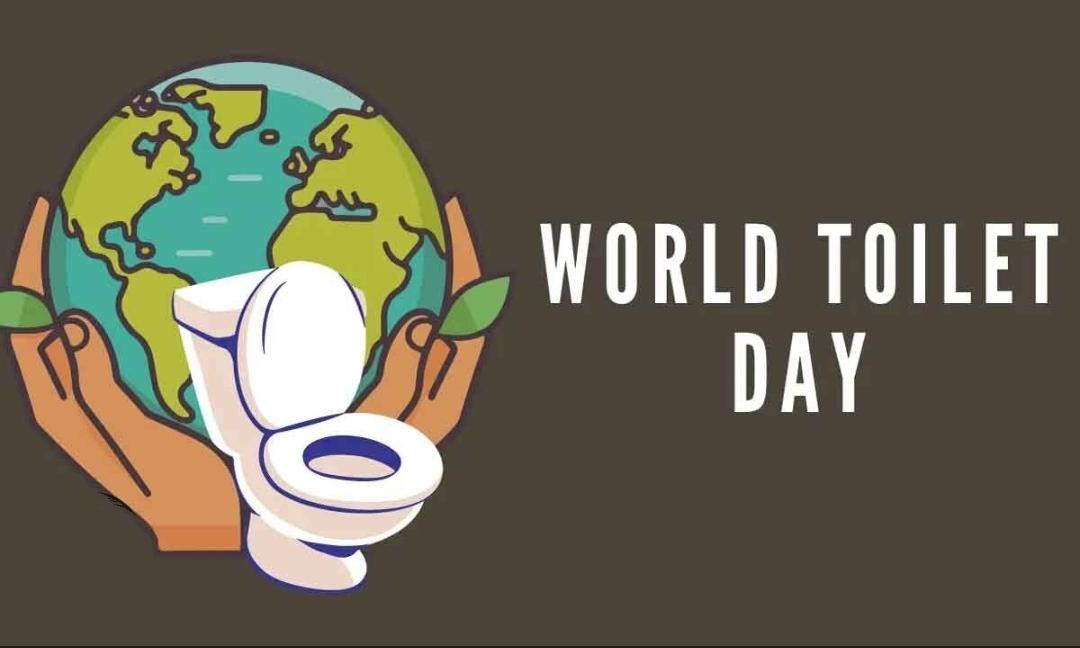
World Toilet Day, observed annually on November 19, is a United Nations initiative to raise global awareness about the 2 billion people who lack access to safely managed sanitation. The day highlights the urgent need for action to tackle the global sanitation crisis and achieve Sustainable Development Goal 6 (clean water and sanitation for all by 2030). It emphasizes that access to sanitation is crucial for public health, human dignity, and safety, as poor sanitation can lead to disease and hinder girls' education.
Importance of World Toilet Day
Health and dignity: Proper sanitation prevents the spread of waterborne diseases like cholera and diarrhea, which are preventable causes of death.
Education: Without safe toilets, girls often miss school, especially during menstruation, impacting their education and future.
Safety: Safe and accessible toilets are critical for personal safety, particularly for women and girls, who are more vulnerable to violence when forced to use public spaces.
Economic impact: Investing in sanitation has an economic return; for every $1 spent on water and sanitation, there is a $4.3 return in reduced healthcare costs.
Goals and activities
Raise awareness: The day is a platform to educate the public about the global sanitation crisis and its consequences.
Promote action: It inspires governments, organizations, and communities to invest in sustainable sanitation solutions and take action to achieve SDG 6.
Encourage innovation: Events and campaigns often highlight new technologies and approaches to sanitation, like eco-friendly toilets.
Advocate for change: On this day, people are encouraged to advocate for better sanitation infrastructure and policies in their communities and countries.
The theme for World Toilet Day 2025 is "We'll Always Need the Toilet,"