
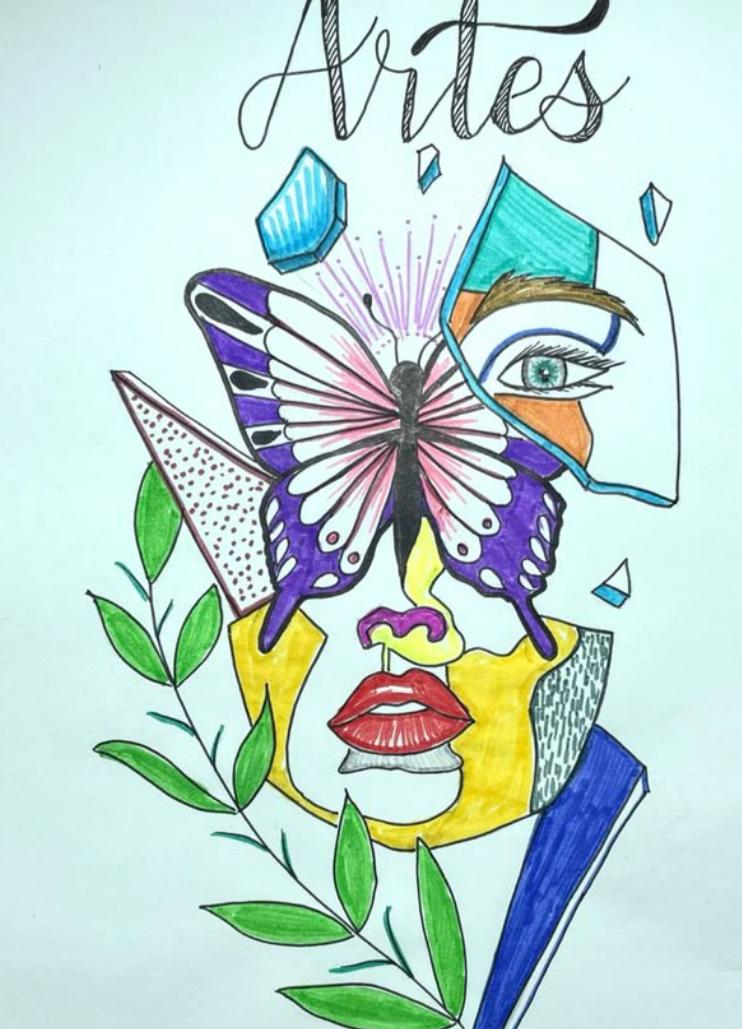
Arts The Mirror of Society
Art has always been regarded as the truest reflection of society. Every brushstroke, melody, or performance carries within it the values, struggles, and aspirations of a particular time. From the cave paintings of prehistoric man to the digital art of the twenty-first century, human civilization has continuously recorded its journey through creative expression.
The power of art lies in its universality. A painting by Van Gogh or a classical raga from India may belong to different cultures, yet both evoke emotions that surpass the barriers of language. Arts also act as agents of change, questioning social evils and inspiring revolutions. Whether through the poetry of Rabindranath Tagore or the murals of Mexican artists, art has often challenged injustice and celebrated humanity.
In a world increasingly driven by technology, arts remind us of the importance of imagination and empathy. They are not a luxury, but a necessity, for they nurture the human soul and preserve the identity of cultures across generations.
The Role of Arts in Education
Education is often equated with the sciences, but a truly holistic education cannot exist without the arts. While science teaches us how the world works, art teaches us why it matters. Subjects like music, literature, theatre, and visual arts are essential in shaping well-rounded personalities.
The inclusion of arts in school curricula fosters creativity, sharpens critical thinking, and builds emotional intelligence. For instance, learning to play an instrument requires discipline, teamwork, and patience. Similarly, acting in a play develops confidence and communication skills. These are life skills that go beyond the classroom and prepare students for real-world challenges.
Unfortunately, arts are often considered “secondary” compared to academic subjects. This mindset needs to change. If we wish to raise thinkers, dreamers, and innovators, we must place arts at the heart of education. After all, the greatest scientific discoveries too were born out of creativity.
Arts in the Modern World
The modern era has redefined what we consider as art. No longer confined to galleries and theatres, art today thrives on social media platforms, public spaces, and even technology-driven innovations like digital paintings and AI-generated music. This democratization of art has allowed more voices to be heard and more stories to be shared.
Yet, the essence of art remains unchanged—it continues to inspire, heal, and unite people. During times of crisis, such as wars or pandemics, art has given humanity strength and hope. It has provided a means of expression when words have failed. Moreover, global exposure to art forms has encouraged cultural exchange and mutual respect among nations.The challenge for today’s generation is to preserve traditional art forms while embracing new ones. Striking this balance will ensure that art remains both timeless and relevant. In doing so, we safeguard not only our heritage but also the creative spirit that defines humanity.