
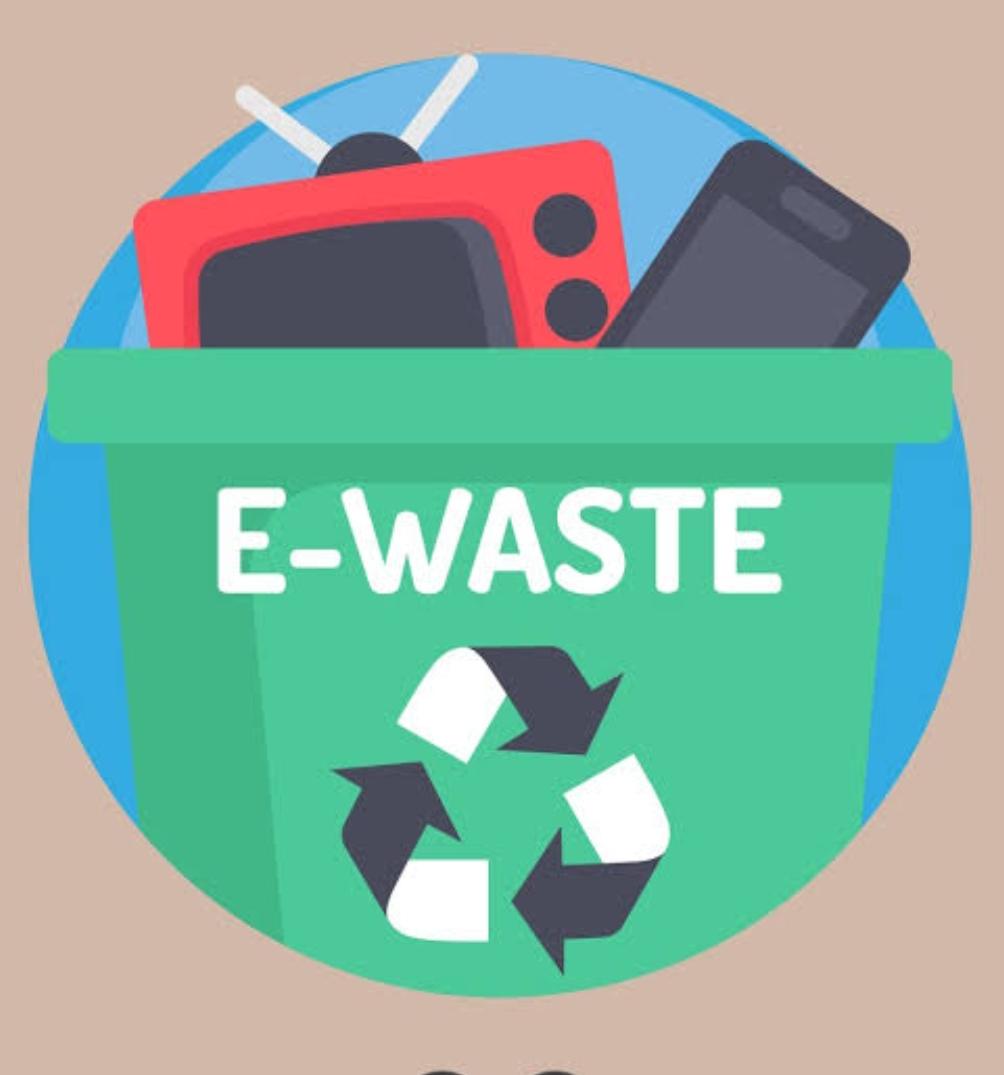
The growing problem of electronic waste, or "e-waste," is a significant challenge for modern society. As technology advances at a rapid pace, we are left with a constant stream of discarded devices, from smartphones 📱 and laptops 💻 to televisions 📺 and appliances 🔌. The improper disposal of e-waste poses serious risks to both the environment 🌳 and human health, but with the right approach, we can turn this waste into a valuable resource.
The Problem with E-Waste
E-waste contains a complex mix of materials, including valuable metals like gold ✨, silver, copper, and palladium, as well as hazardous substances such as lead, mercury, and cadmium ☣️. When these electronics are dumped in landfills, the toxic chemicals can leach into the soil and groundwater, contaminating ecosystems and posing a threat to human health. The burning 🔥 of e-waste, a common practice in some developing countries, releases dangerous pollutants into the air, contributing to air pollution and respiratory issues.
The sheer volume of e-waste is staggering. Short product lifecycles, driven by frequent new product releases and consumer demand for the latest technology, mean that older devices are often discarded long before they are truly at the end of their functional life.
What We Should Do with E-Waste
Proper e-waste management is a multi-faceted approach that emphasizes reducing, reusing, and recycling.
1. Reduce 📉:
The most effective way to combat e-waste is to reduce its generation in the first place. This can be achieved by:
Postponing upgrades: Avoid upgrading your devices unnecessarily. ✋
Repairing instead of replacing: Look for repair services or "repair cafes" to fix minor issues. 🛠️
Supporting sustainable manufacturers: Choose products from companies that prioritize sustainable materials, take-back programs, and product longevity. 🌱
2. Reuse and Donate ♻️:
If your old electronic devices are still in good working condition, giving them a second life is an excellent option.
Sell or trade-in: You can sell or trade in your old devices through reputable online platforms or directly with manufacturers. 💰
Donate: Many charities, schools 🏫, and non-profit organizations accept functioning electronics for reuse. This not only keeps devices out of landfills but also helps bridge the digital divide for those in need.
3. Recycle 🔄:
For devices that are no longer working, recycling is the most responsible choice. The recycling process involves:
Collection: E-waste is collected through designated drop-off centers, community collection events, or manufacturer take-back programs. 🚚
Sorting and dismantling: Devices are manually sorted and dismantled to separate valuable components and hazardous materials. 🔬
Material recovery: Precious metals, plastics, and other materials are extracted and processed for use in manufacturing new products. This process conserves natural resources and energy. 🔋
How to find a reliable recycler:
Look for certified recyclers: Ensure you use a certified e-waste recycler, as they follow strict standards to process materials safely and ethically. Look for certifications such as R2 (Responsible Recycling) or e-Stewards. ✅
Utilize manufacturer take-back programs: Many electronics manufacturers have their own take-back programs that allow you to return old devices for proper recycling.
Check with retailers: Some retailers have in-store e-waste collection bins for small electronics. 🏪
Contact local authorities: Your local government or sanitation department may have information on official e-waste collection events or drop-off sites in your area. 📞
Important Precaution: Data Destruction 🔒
Before donating or recycling any device, it is crucial to wipe all personal data. Use a full factory reset, specialized software, or physical destruction methods to ensure your sensitive information is not compromised.
By embracing these practices, we can shift away from a linear "take-make-dispose" model and move towards a circular economy where resources are conserved, pollution is minimized, and both the environment and human health are protected. 🌎💖