
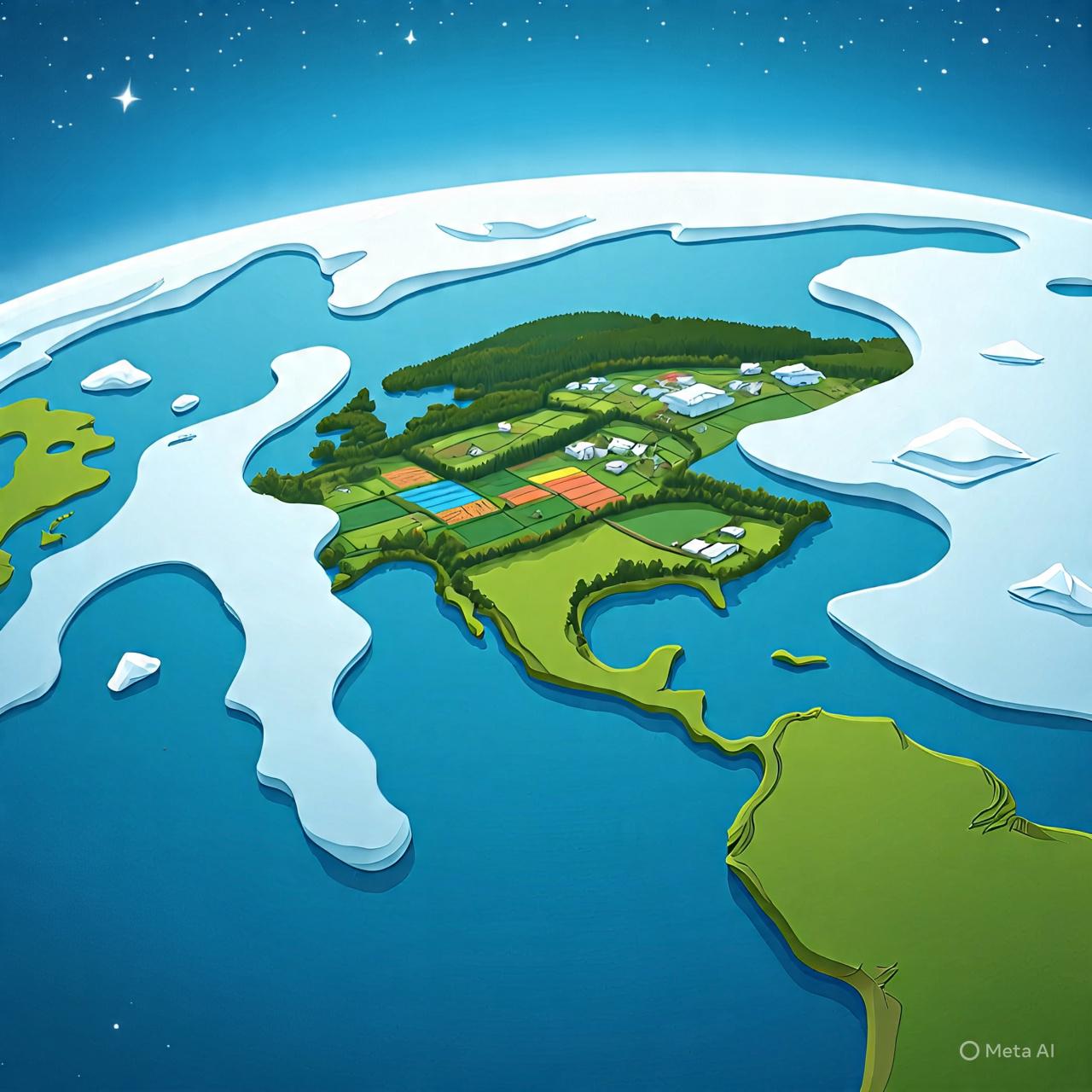
*Understanding Earth's Zones 🌎*
The Earth is divided into several zones, each characterized by unique climate, geography, and ecosystems. These zones play a crucial role in shaping our planet's environment and supporting diverse forms of life.
*1. Tropical Zone ☀️*
The tropical zone lies near the equator and is characterized by warm temperatures and high humidity throughout the year. This region includes rainforests, savannas, and coral reefs, supporting a vast array of plant and animal species. The tropical zone is home to many indigenous communities and is known for its rich biodiversity.
*2. Temperate Zone 🌟*
The temperate zone lies between the tropical and polar zones and is characterized by moderate temperatures and seasonal changes. This region includes deciduous forests, grasslands, and temperate rainforests, supporting a wide range of plant and animal species. The temperate zone is home to many urban centers and agricultural areas.
*3. Polar Zone ❄️*
The polar zone lies at the Earth's poles and is characterized by cold temperatures, ice, and limited sunlight. This region includes Arctic and Antarctic ecosystems, supporting unique plant and animal species adapted to the harsh conditions. The polar zone plays a crucial role in regulating the Earth's climate and is an important area of scientific research.
*4. Desert Zone 🏜️*
The desert zone is characterized by hot temperatures, limited rainfall, and sparse vegetation. This region includes Sahara, Mojave, and Atacama deserts, among others. The desert zone is home to unique plant and animal species adapted to the arid conditions and is an important area of study for scientists.
*5. Mountain Zone 🏔️*
The mountain zone is characterized by rugged terrain, varying temperatures, and unique ecosystems. This region includes the Himalayas, Andes, and Rocky Mountains, among others. The mountain zone supports a wide range of plant and animal species and is an important area for conservation efforts.
*Importance of Understanding Earth's Zones*
Understanding the different zones of the Earth is essential for managing natural resources, conserving biodiversity, and mitigating the impacts of climate change. By studying the unique characteristics and ecosystems of each zone, scientists can develop strategies to protect the environment and promote sustainable development.
*Conclusion*
The Earth's zones are complex and dynamic, each playing a vital role in shaping our planet's environment and supporting life. By understanding and appreciating these zones, we can work towards a more sustainable future and protect the natural world for generations to come.