
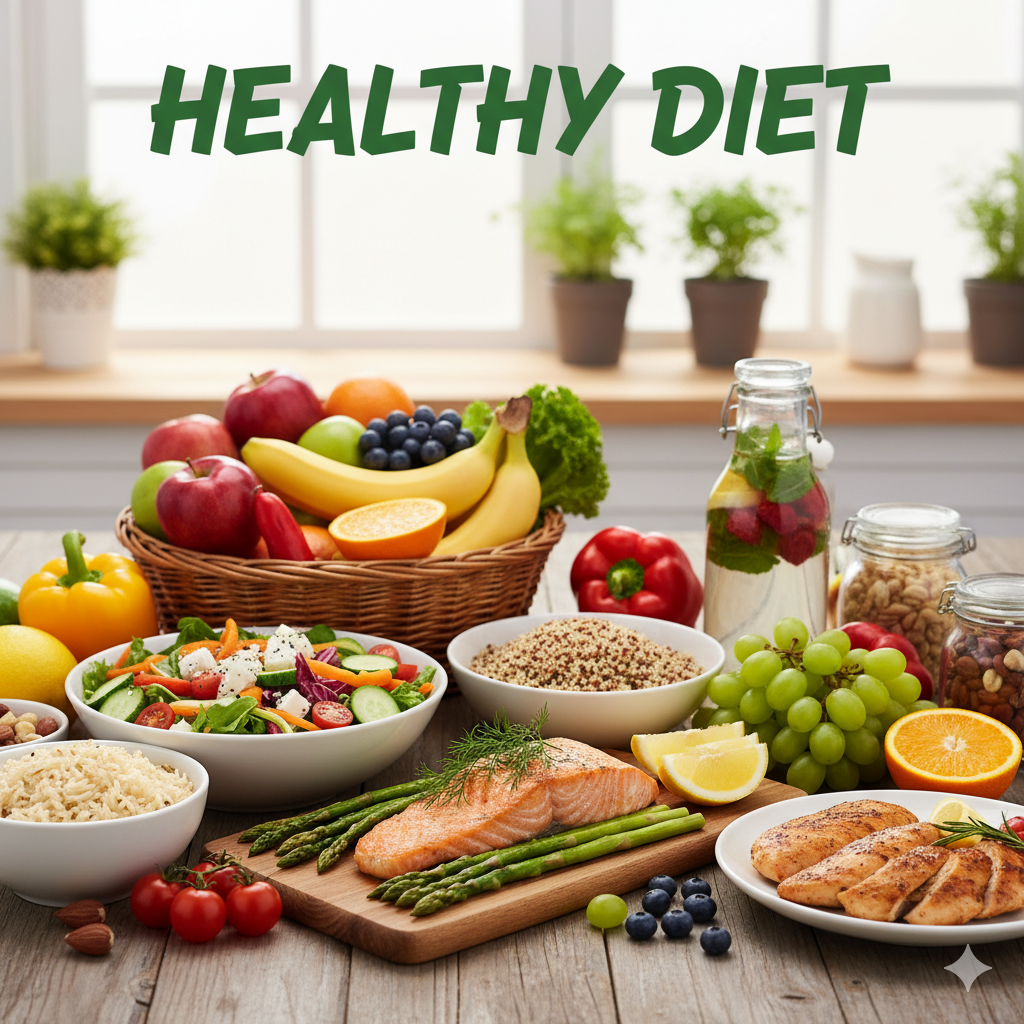
Eating a healthy and balanced diet is one of the most important things you can do to protect your health. A healthy diet is made up of a variety of foods, including staples such as cereals like wheat or rice, and starchy roots like potatoes. You should also include legumes, like lentils and beans, along with plenty of fruits and vegetables, which are an essential source of vitamins, minerals, and antioxidants. Don't forget animal-based foods, such as meat, fish, eggs, and milk.
Key Dietary Tips to Keep in Mind
To start, you should eat lots of fruits and vegetables. They are packed with fiber, vitamins, and antioxidants and can lower your risk of diseases like heart disease, stroke, and certain cancers. You also need to limit your fat intake. While some fats are essential, consuming too many unhealthy fats (like saturated and industrially-produced trans-fats) can increase your risk of heart disease. Using unsaturated vegetable oils like olive or sunflower oil is a healthier choice.
Additionally, you should watch your sugar consumption. Sugars should make up less than 10% of your total energy intake. Choosing fresh fruits over sugary snacks and limiting soft drinks can help. Finally, be mindful of when you eat. Studies show that eating late at night, especially after 9 pm, can lead to unfavorable health outcomes, even if the food is considered "healthy." It can disrupt your sleep cycle and affect the hormones that regulate hunger.